

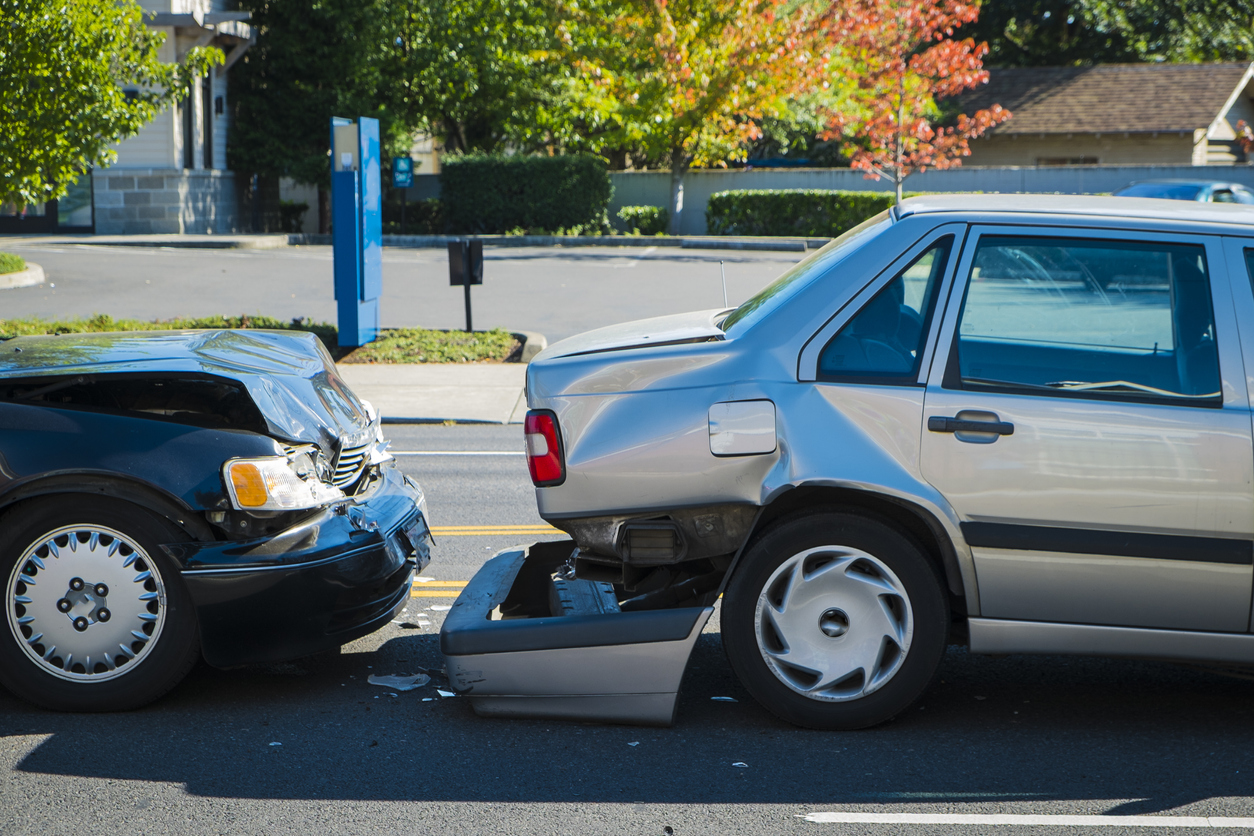
After a car accident in Illinois, you should notify the appropriate insurance company, avoid giving recorded statements without understanding your rights, be cautious when signing medical authorizations, and never accept a settlement offer before knowing the full value of your claim. Insurance companies are businesses, and their goal is often to resolve claims for as little as possible.
Whether you’re filing a claim with your own insurer or the at-fault driver’s insurance company, understanding the claims process can help you avoid costly mistakes. Below, we explain how insurance claims work in Illinois, common tactics insurers use, and what you can do to protect your right to fair compensation.
Car accidents can have lasting physical, emotional, and financial consequences. Taking the right legal steps early can help protect your rights and improve your chances of recovering full compensation.
Call Zayed Law Offices in Chicago today for a free, no-obligation consultation.
Filing a Claim Starts the Insurance Process
After an accident, you should report the crash to your insurance company as soon as reasonably possible. If another driver caused the accident, you may also file a third-party claim with their insurance carrier.
When filing a claim, you’ll typically need to provide:
- The date, time, and location of the accident
- Contact and insurance information for all drivers involved
- The police report number, if available
- Photos of the accident scene and vehicle damage
- Names and contact information of witnesses
- Basic information about your injuries
Stick to the facts when reporting the accident. Avoid guessing about what happened or accepting blame before the investigation is complete.
Prompt reporting helps preserve evidence and ensures compliance with your policy requirements.
Recorded Statements Can Be Used Against You
Insurance adjusters often ask accident victims to provide a recorded statement shortly after a crash.
While your own insurance company may require your cooperation under your policy, you should be cautious when speaking with the at-fault driver’s insurer.
A recorded statement may later be used to:
- Point out inconsistencies
- Minimize your injuries
- Suggest you were partially at fault
- Reduce the value of your claim
It’s perfectly reasonable to take time before providing detailed information, especially if you’re still receiving medical treatment or do not yet know the full extent of your injuries.
If you have concerns, consider speaking with an attorney before participating in a recorded interview.
Be Careful Before Signing Medical Authorizations
Insurance companies frequently ask claimants to sign medical authorization forms.
While insurers need documentation related to injuries caused by the accident, some authorization forms are much broader than necessary.
Signing an unrestricted authorization may allow the insurance company to access years of unrelated medical records.
Adjusters sometimes use older medical records to argue that:
- Your injuries existed before the accident.
- Your current symptoms are unrelated.
- Your condition was caused by a previous incident.
Providing only the medical records directly related to your accident often helps protect your privacy while still supporting your claim.
Lowball Settlement Offers Are Common
Many insurance companies attempt to settle claims quickly by making an initial offer that is lower than the claim’s actual value.
A low settlement offer may seem appealing if you’re facing medical bills or lost income, but accepting too early can leave you responsible for future expenses.
Before accepting an offer, consider whether it fully covers:
- Current medical expenses
- Future treatment costs
- Lost wages
- Reduced earning capacity
- Pain and suffering
- Property damage
Once you sign a settlement agreement, you generally cannot seek additional compensation, even if your injuries worsen later.
Review every settlement offer carefully before making a final decision.
GEICO Claims Follow the Same Legal Standards as Other Insurance Companies
If the at-fault driver is insured by GEICO, your claim will generally follow the same legal process as any other Illinois insurance claim.
GEICO adjusters may investigate:
- Liability
- Medical records
- Vehicle damage
- Witness statements
- Police reports
Like any insurer, GEICO may dispute fault, question medical treatment, or negotiate the amount of compensation requested.
Strong documentation is often the best way to support your claim.
State Farm Claims May Involve Detailed Investigations
State Farm is one of the largest automobile insurers in Illinois.
Depending on the circumstances, the company may conduct a detailed review before resolving a claim.
This may include:
- Reviewing accident reports
- Inspecting vehicle damage
- Requesting medical records
- Evaluating witness statements
- Determining comparative fault
Responding promptly while maintaining accurate documentation can help move the claims process forward.
Progressive Claims Often Focus on Liability and Damages
Progressive evaluates claims by examining both who caused the accident and the financial losses resulting from it.
The company may request:
- Photos of the vehicles
- Repair estimates
- Medical records
- Proof of lost income
- Statements from drivers and witnesses
As with any insurance company, providing organized documentation helps establish the value of your claim.
Allstate Claims Require Evidence Supporting Your Losses
Allstate typically evaluates claims based on available evidence and policy coverage.
The stronger your documentation, the easier it becomes to demonstrate:
- The cause of the accident
- The severity of your injuries
- The medical treatment received
- Your financial losses
Keeping copies of all bills, receipts, repair estimates, and correspondence with the insurance company can strengthen your claim.
Farmers Insurance Claims May Include Settlement Negotiations
If the at-fault driver is insured by Farmers Insurance, you should expect the claims process to include an investigation followed by settlement negotiations.
Like other insurers, Farmers may review:
- Police reports
- Medical documentation
- Vehicle damage
- Witness testimony
- Insurance policy limits
Negotiations often continue until both parties reach an agreement or additional legal action becomes necessary.
A Denied Claim Does Not Always Mean Your Case Is Over
Insurance companies deny claims for many different reasons.
Common reasons include:
- Disputed liability
- Insufficient evidence
- Missed policy deadlines
- Questions about medical treatment
- Coverage disputes
- Alleged policy exclusions
A denial does not necessarily mean you are not entitled to compensation.
Depending on the circumstances, additional evidence, further negotiations, or legal action may resolve the dispute.
If your claim has been denied, it’s important to understand the specific reason before deciding how to move forward.
Uninsured and Underinsured Motorist Coverage Can Protect You
Not every driver carries adequate insurance coverage.
If you’re injured by:
- An uninsured driver
- A hit-and-run driver
- A driver whose insurance limits are too low to cover your damages
Your own uninsured motorist (UM) or underinsured motorist (UIM) coverage may provide compensation.
These coverages can help pay for:
- Medical expenses
- Lost wages
- Pain and suffering
- Other covered damages
Even though you’re filing a claim with your own insurance company, disputes can still arise regarding the value of your claim.
Understanding the coverage available under your policy is essential after a serious accident.
Common Mistakes to Avoid When Dealing With Insurance Companies
Certain actions can unintentionally weaken your claim.
Try to avoid:
- Admitting fault at the accident scene
- Delaying medical treatment
- Posting about the accident on social media
- Giving inaccurate or incomplete information
- Signing broad medical authorizations
- Accepting the first settlement offer
- Waiting too long to document your injuries
- Ignoring requests from your own insurance company
Keeping detailed records and communicating carefully can help protect your claim throughout the process.
When Should You Contact a Car Accident Lawyer?
While minor property damage claims may be resolved without legal assistance, many injury claims become more complicated when insurance companies dispute liability or offer inadequate compensation.
You should consider speaking with a lawyer if:
- You suffered serious injuries.
- The insurance company denies your claim.
- Liability is disputed.
- The insurer alleges you were partially at fault.
- Multiple parties are involved.
- You’re facing expensive medical treatment.
- The settlement offer doesn’t fully compensate your losses.
- The accident involves an uninsured or underinsured driver.
An experienced attorney can communicate with insurance companies on your behalf, gather evidence, negotiate for fair compensation, and, if necessary, pursue legal action.
Protect Your Rights Throughout the Claims Process
Dealing with insurance companies after a car accident can be frustrating, especially while you’re recovering from injuries. Understanding how claims are handled, recognizing common insurance tactics, and knowing your legal rights can help you make informed decisions.
Whether you’re filing a claim with GEICO, State Farm, Progressive, Allstate, Farmers, or your own insurance company, don’t feel pressured to accept a quick settlement before fully understanding your damages.
If negotiations become difficult or your injuries are significant, consulting an experienced Chicago car accident lawyer can help you protect your interests and pursue the compensation you deserve.