

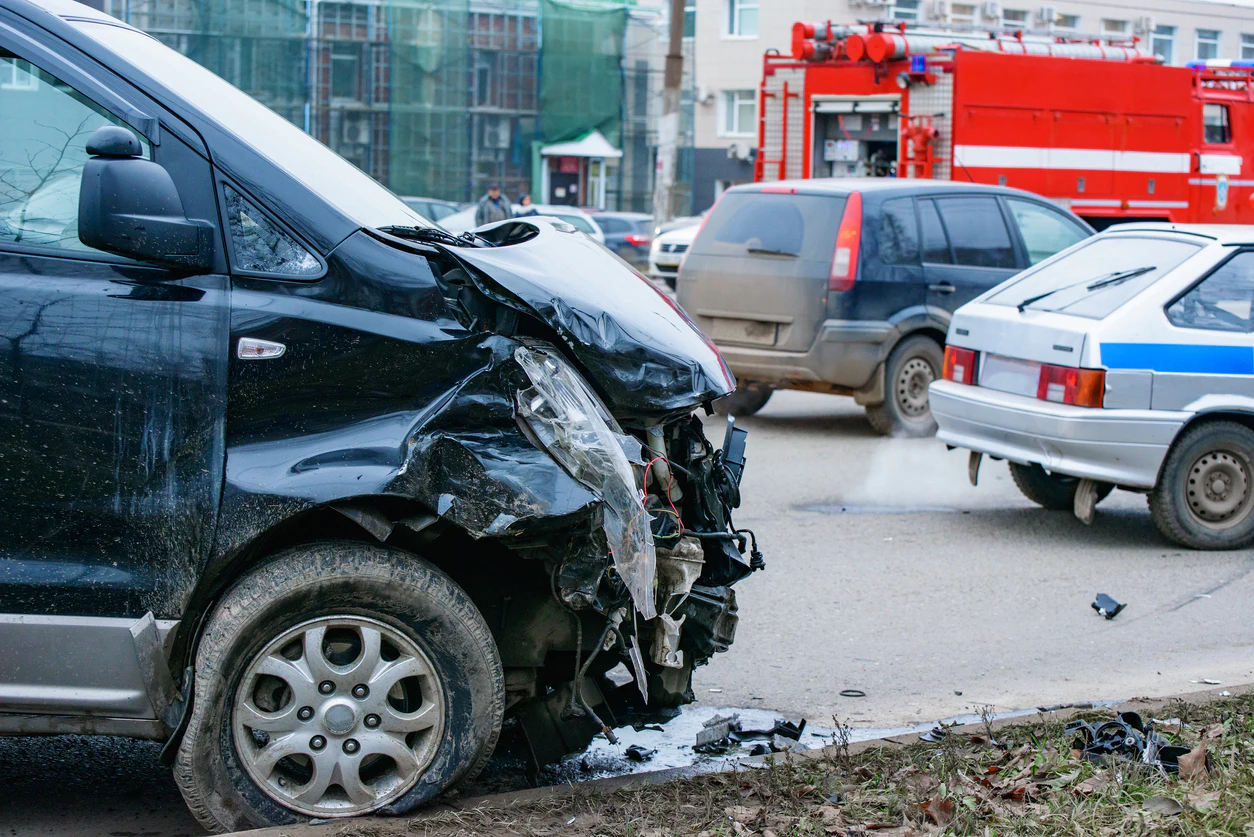
A car black box, also called an event data recorder (EDR), is an electronic system that stores information about a vehicle’s operation during certain crashes. Most modern passenger vehicles have one, although the information recorded varies by manufacturer and model.
After a car accident in Chicago or elsewhere in Illinois, black box data may help determine vehicle speed, braking, and other important details. Zayed Law helps injured drivers and passengers investigate accidents and preserve evidence needed to establish liability.
What Is a Black Box in a Car?
A black box is a vehicle safety component that records technical information surrounding certain collisions. Unlike airplane flight recorders, car black boxes do not continuously record entire trips.
Most EDRs are integrated into the vehicle’s electronic safety systems, often within the airbag control module.
They help accident investigators understand how a vehicle behaved before and during a crash.
Does My Car Have a Black Box?
Most newer cars, SUVs, and light trucks contain event data recorders. However, not every vehicle has one.
You can check whether your car has an EDR by:
- Reviewing your owner’s manual for an “Event Data Recorder” section.
- Contacting your vehicle manufacturer or dealership.
- Checking specifications for your vehicle’s model and year.
- Asking a qualified accident investigator.
Federal regulations establish requirements for covered vehicles equipped with EDRs, but they do not require every vehicle on the road to have one.
What Information Does a Car Black Box Record?
A car black box may record speed, braking, seat belt use, and other vehicle information immediately before or during a qualifying collision.
| Information | What It Can Reveal |
| Vehicle speed | Speed shortly before impact |
| Brake application | Whether the brakes were applied |
| Accelerator position | Whether the driver was accelerating |
| Seat belt status | Whether monitored belts were buckled |
| Airbag deployment | Whether and when airbags activated |
| Change in velocity | How vehicle speed changed during impact |
Some vehicles record additional information, including steering inputs or stability-control activity.
EDRs generally do not record conversations, audio, or video. They are different from dashboard cameras and GPS tracking systems.
How Long Does a Car Black Box Store Information?
Most EDRs capture only a few seconds of information surrounding a qualifying crash. They do not generally store months of driving history.
Some recordings may be overwritten by later events, while others remain locked after significant collisions.
Not every accident triggers a recording. The impact must meet the vehicle’s recording conditions.
Because stored information may be lost or become inaccessible, preserving the vehicle after a serious crash is important.
How Can Black Box Data Help Prove Fault?
Black box data can provide objective evidence about a vehicle’s operation before a collision. It may support or contradict statements made by drivers or insurance companies.
For example, after a rear-end collision on I-90/94 in Chicago, a driver might claim they were traveling at the speed limit and braking.
Available EDR data could show the vehicle’s recorded speed and whether the brakes were applied.
This information may help establish:
- Speeding
- Failure to brake
- Unsafe driving behavior
- Impact severity
- Relevant vehicle safety-system activity
However, black box data does not automatically establish negligence. Investigators must consider it alongside photographs, witness statements, police reports, and other evidence.
Our Illinois car accident lawyers help injured motorists investigate crashes and identify responsible parties.
Do Commercial Trucks Have Black Boxes?
Many commercial trucks have electronic systems that record driving and vehicle performance information. These systems may differ from passenger vehicle EDRs.
Depending on the truck, investigators may examine:
- Vehicle speed and braking
- Engine performance data
- Electronic logging device records
- Hours-of-service information
- Fleet tracking records
This evidence may be especially important when investigating speeding, driver fatigue, or unsafe commercial driving practices.
Our Illinois truck accident lawyers investigate available electronic evidence along with maintenance records, driver logs, and accident reports.
Who Can Access Black Box Data After an Accident?
Access to EDR data depends on vehicle ownership, consent, applicable laws, and the circumstances of the investigation.
Data may be obtained through owner authorization, certain court orders, or other legally permitted procedures.
Insurance companies do not automatically have unrestricted access to every vehicle’s black box.
An attorney can help determine how relevant information may be lawfully preserved and obtained.
How Is Black Box Data Retrieved?
Qualified accident investigators use specialized equipment and software to retrieve available EDR information.
Depending on the vehicle’s condition, data may be accessed through its diagnostic connection or directly from an electronic module.
Proper retrieval and documentation are important because the evidence may later be challenged during insurance negotiations or litigation.
What Should I Do to Preserve Black Box Evidence?
If you were injured in a serious accident, preserving electronic crash information may strengthen your claim.
Take these steps:
- Preserve the vehicle. Avoid unnecessary repairs or disposal before relevant evidence is evaluated.
- Notify your attorney. Explain where the damaged vehicle is stored.
- Keep accident records. Save photographs, police reports, and witness information.
- Act promptly. Insurance companies or salvage facilities may move or release damaged vehicles.
An attorney may arrange appropriate inspections and send preservation notices when necessary.
Contact Zayed Law for a free consultation if you were injured in an Illinois car accident. We can help identify and preserve evidence relevant to your claim.
Is Black Box Data Enough to Prove an Accident Claim?
No. Black box data can strengthen an accident claim, but it usually cannot establish every element of negligence independently.
Additional evidence may include:
- Police reports
- Witness statements
- Traffic camera footage
- Vehicle damage photographs
- Medical records
- Accident reconstruction findings
A successful personal injury claim generally requires proof that another party’s negligence caused the accident and resulting damages.
Frequently Asked Questions About Car Black Boxes
Does Every Car Have a Black Box?
No. Most modern passenger vehicles contain EDRs, but older vehicles and some models may not. Check your owner’s manual or contact the manufacturer.
Can a Black Box Prove a Driver Was Speeding?
Potentially. Some EDRs record vehicle speed shortly before impact. Investigators must evaluate the data and its limitations before determining what it establishes.
Does a Car Black Box Record Conversations?
No. Standard EDRs record technical vehicle information rather than audio or video. Dashboard cameras and connected vehicle systems serve different purposes.
Can Insurance Companies Use Black Box Data?
Yes, when the information is lawfully obtained. Data may support or challenge an accident claim, depending on what it reveals.
Can Black Box Data Be Recovered From a Totaled Car?
Sometimes. Even severely damaged vehicles may contain retrievable EDR information. Recovery depends on the condition of the relevant electronic components.
Contact Zayed Law After an Illinois Car Accident
Black box data can provide valuable evidence when drivers disagree about how a collision occurred. Preserving and interpreting that information correctly may help establish responsibility.
Zayed Law represents injured motorists throughout Chicago, Cook County, DuPage County, Will County, and surrounding Illinois communities.
Call Zayed Law at (312) 726-1616 for a free consultation. Our Illinois personal injury attorneys can investigate your accident, preserve important evidence, and help you pursue compensation.