
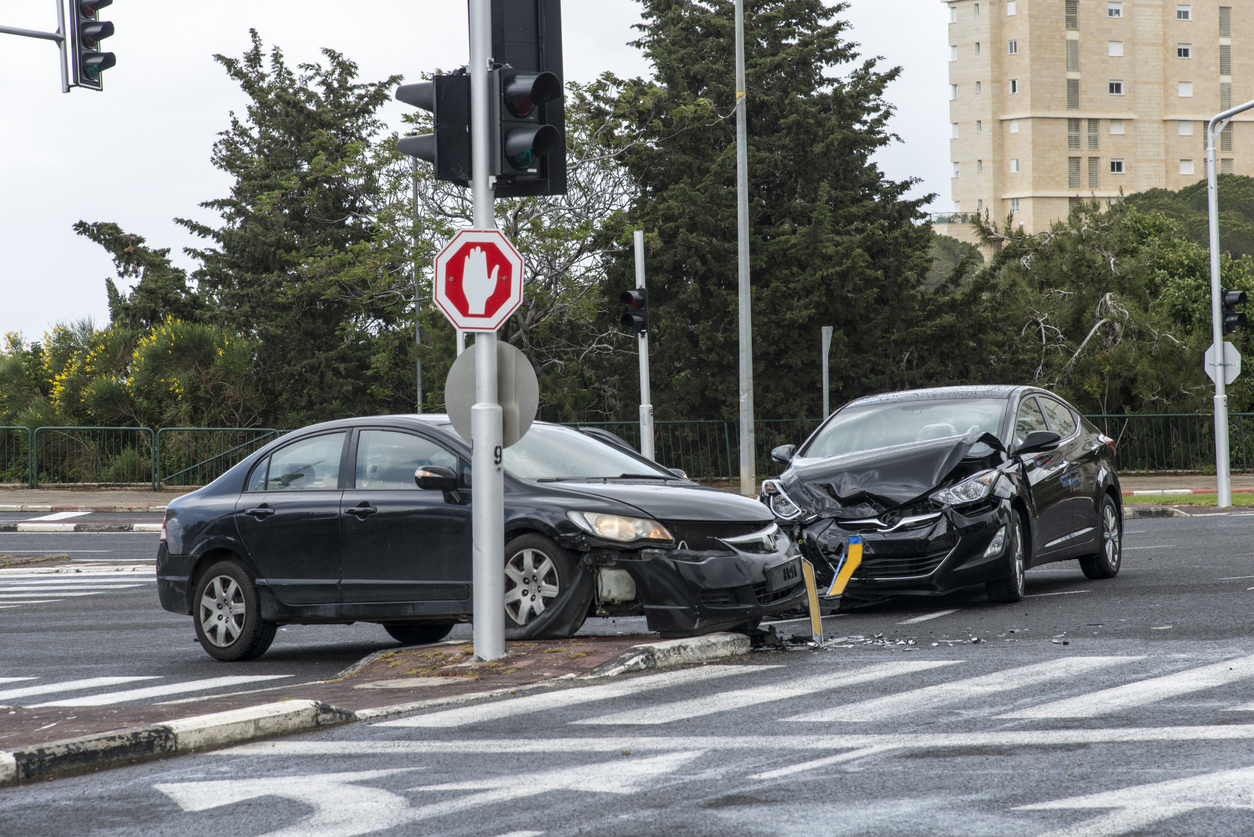
The most dangerous roads and intersections in Chicago are typically located along high-traffic corridors where congestion, speeding, distracted driving, and frequent turning movements increase the risk of serious collisions. Areas such as North Avenue, Western Avenue, Cicero Avenue, Lake Shore Drive, the Kennedy Expressway (I-90/94), and major downtown intersections consistently experience a high number of crashes. Reviewing crash data and understanding why these locations are hazardous can help drivers reduce their risk of being involved in an accident.
Every year, thousands of crashes occur throughout Chicago, ranging from minor fender benders to catastrophic collisions. While accidents can happen anywhere, crash data shows that certain roads and intersections are significantly more dangerous than others due to traffic volume, road design, and driver behavior.
Car accidents can have lasting physical, emotional, and financial consequences. Taking the right legal steps early can help protect your rights and improve your chances of recovering full compensation.
Call Zayed Law Offices in Chicago today for a free, no-obligation consultation.
Chicago Experiences More Than 100,000 Traffic Crashes Each Year
Chicago remains one of the busiest metropolitan areas in the country, making traffic accidents an unfortunate reality.
According to the Chicago Data Portal, the city records detailed crash information submitted through the Illinois Department of Transportation. Recent data shows that Chicago experienced more than 112,000 reported traffic crashes in 2024, resulting in tens of thousands of injuries and more than one hundred fatalities. Additional statewide crash reports are available through the Illinois Department of Transportation (IDOT). These reports consistently show that Cook County accounts for a substantial percentage of all crashes occurring in Illinois.
For the most current crash data, visit:
Several Chicago Intersections Consistently Experience High Crash Volumes
While crash patterns change slightly from year to year, transportation studies and city crash data frequently identify heavily traveled intersections as having elevated collision rates.
Some of the busiest and most accident-prone intersections include:
- North Avenue & Western Avenue
- Western Avenue & Fullerton Avenue
- Cicero Avenue & Irving Park Road
- Ashland Avenue & Roosevelt Road
- Western Avenue & 63rd Street
- Michigan Avenue & Roosevelt Road
- Pulaski Road & 47th Street
- Harlem Avenue & Irving Park Road
- Stony Island Avenue & 79th Street
- North Avenue & Cicero Avenue
These intersections often experience:
- Rear-end collisions
- Left-turn crashes
- T-bone accidents
- Pedestrian accidents
- Bicycle collisions
Heavy traffic volume, multiple turning lanes, limited visibility, and frequent traffic signal changes all contribute to increased crash risk.
Crash volume is only one way to measure danger. We analyzed more than a million reported Chicago collisions over ten years for our study of Chicago’s 20 most dangerous intersections, which ranks each junction by how badly people get hurt.
Chicago’s Major Highways See Thousands of Accidents Every Year
Chicago’s expressways carry hundreds of thousands of vehicles each day, making them some of the most dangerous roads in Illinois.
Among the highways that frequently experience serious crashes are:
Kennedy Expressway (I-90/I-94)
One of Chicago’s busiest highways, the Kennedy Expressway experiences heavy commuter congestion, frequent lane changes, and numerous rear-end collisions.
Dan Ryan Expressway (I-90/I-94)
High speeds combined with dense traffic contribute to a significant number of serious injury crashes throughout the year.
Eisenhower Expressway (I-290)
The Eisenhower regularly experiences congestion-related crashes, particularly during rush hour.
Stevenson Expressway (I-55)
Construction zones, merging traffic, and heavy truck traffic increase accident risk along this corridor.
Bishop Ford Freeway (I-94)
Higher travel speeds often contribute to severe collisions, particularly during adverse weather conditions.
Lake Shore Drive (US-41)
Although known for its scenic views, Lake Shore Drive presents unique hazards due to sharp curves, changing weather conditions, distracted driving, and frequent congestion.
Some Chicago Neighborhoods Experience Higher Crash Rates Than Others
Crash data also shows that certain neighborhoods consistently report higher numbers of accidents because of dense traffic and commercial activity.
Areas with significant crash activity include:
The Loop
Downtown Chicago combines heavy vehicle traffic with thousands of pedestrians and cyclists, increasing the likelihood of collisions.
Near North Side
Busy intersections, rideshare vehicles, taxis, delivery trucks, and tourists contribute to frequent crashes.
West Loop
Rapid development and increased traffic have led to higher accident volumes in recent years.
Lincoln Park
Pedestrian crossings, bicycle traffic, and congested intersections make this neighborhood particularly challenging during peak hours.
South Shore
Several major arterial roads pass through South Shore, contributing to higher crash frequencies.
Austin
Heavy commuter traffic along major east-west corridors creates numerous opportunities for collisions.
High Traffic Volume Is One of the Biggest Reasons These Roads Are Dangerous
Many of Chicago’s most dangerous roads share similar characteristics.
Common contributing factors include:
- Heavy daily traffic
- Frequent stop-and-go congestion
- Numerous traffic signals
- Multiple turning lanes
- High pedestrian activity
- Large numbers of commercial vehicles
- Complex intersections
- Aggressive lane changes
Even experienced drivers can struggle to react safely when traffic conditions change suddenly.
Distracted Driving Continues to Cause Many Chicago Accidents
Driver distraction remains one of the leading causes of crashes throughout Illinois.
Common distractions include:
- Texting
- Using navigation systems
- Adjusting vehicle controls
- Eating while driving
- Talking to passengers
- Looking away from the road
Even a brief distraction can cause a driver to miss changing traffic conditions, especially in busy urban environments.
Speeding Makes Crashes More Severe
Although congestion often slows traffic, speeding continues to contribute to serious collisions throughout Chicago.
Higher speeds reduce:
- Reaction time
- Stopping distance
- Driver control
Speeding also significantly increases the force of impact during a collision, making catastrophic injuries more likely.
Weather Can Make Dangerous Roads Even More Hazardous
Chicago drivers frequently encounter difficult weather conditions.
Snow, ice, rain, and freezing temperatures can reduce tire traction and visibility.
Drivers should exercise additional caution during:
- Winter storms
- Heavy rainfall
- Fog
- Early morning frost
Reducing speed and increasing following distance can help lower crash risk during poor weather.
Safe Driving Habits Can Reduce Your Risk of an Accident
Although you cannot control other drivers, you can take steps to improve your own safety.
Helpful driving practices include:
- Avoid distracted driving.
- Maintain a safe following distance.
- Obey posted speed limits.
- Anticipate sudden traffic slowdowns.
- Yield to pedestrians and cyclists.
- Use turn signals consistently.
- Avoid aggressive lane changes.
- Stay alert near busy intersections.
- Slow down during adverse weather.
Defensive driving becomes especially important when traveling through Chicago’s busiest traffic corridors.
Nearby Illinois Cities Also Have High-Risk Roadways
While Chicago experiences the largest number of crashes in Illinois, nearby cities also have dangerous intersections and highways.
Aurora
Busy roads such as Route 59, Ogden Avenue, and Farnsworth Avenue experience frequent congestion and collisions.
Naperville
High-traffic corridors including Route 59, Washington Street, and Ogden Avenue regularly see accidents during peak commuting hours.
Joliet
Interstates I-55 and I-80, along with Jefferson Street and Larkin Avenue, are among the city’s busiest roadways.
Schaumburg
Golf Road, Higgins Road, and Meacham Road experience heavy commercial traffic and numerous intersection crashes.
Rockford
East State Street, Riverside Boulevard, and Alpine Road consistently rank among the city’s busiest roadways.
Rather than creating separate articles for each city, these locations can be expanded into dedicated sections within this guide as new crash statistics become available.
Understanding Where Accidents Happen Can Help You Stay Safer
No road is completely free of risk, but understanding where crashes occur most frequently can help drivers make safer decisions. Chicago’s busiest intersections and highways combine heavy traffic, frequent turning movements, distracted driving, and speeding—creating conditions where accidents are more likely to occur.
If you’ve been injured in a crash caused by another driver’s negligence, documenting the accident, seeking prompt medical attention, and understanding your legal rights are important first steps.
An experienced Chicago car accident lawyer can help you evaluate your case and pursue compensation for your medical expenses, lost wages, and other damages.