
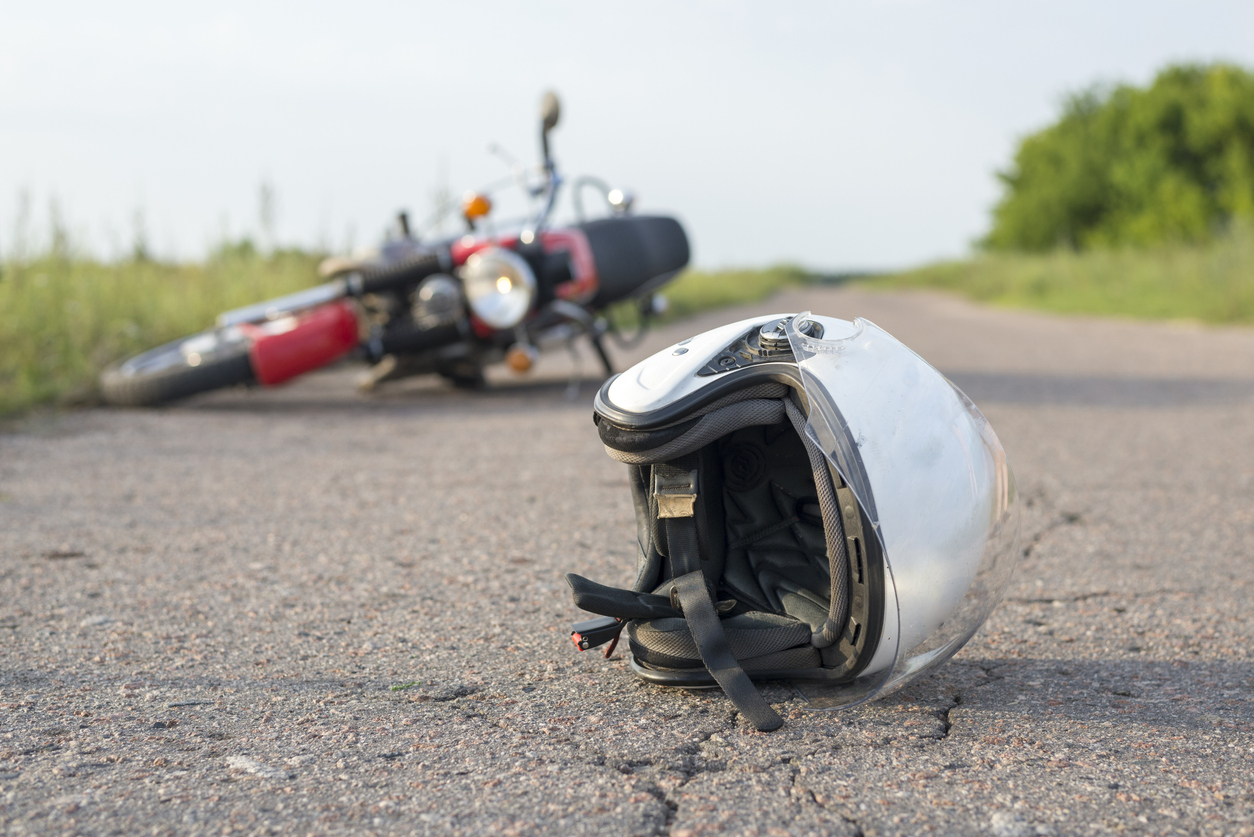
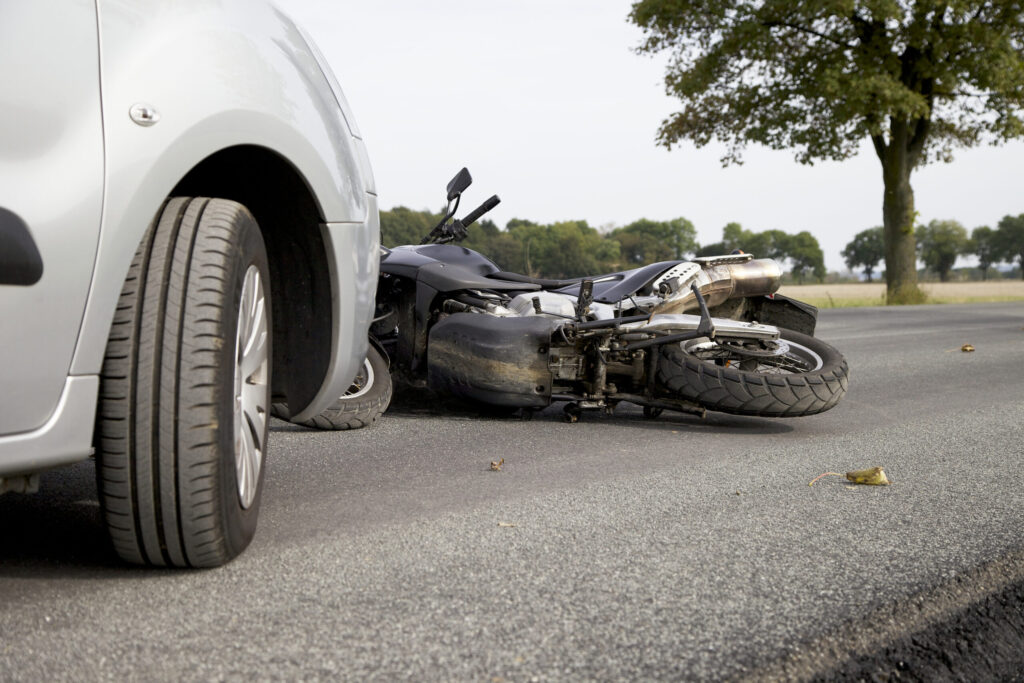
Motorcycle accidents can cause severe injuries because riders have less physical protection than people inside passenger vehicles. Even when a motorcyclist follows traffic laws, another driver’s distraction, speeding, impairment, or failure to yield can result in a serious crash.
Common motorcycle accident injuries include traumatic brain injuries, fractures, road rash, spinal injuries, nerve damage, and internal injuries. Insurance claims can also be challenging because injured riders may face assumptions that they were speeding, riding recklessly, or otherwise responsible for the crash.
Understanding common motorcycle injuries, state motorcycle laws, insurance issues, and how compensation is calculated can help injured riders protect their rights.
What Are the Most Common Motorcycle Accident Injuries?
Motorcycle crashes can cause injuries ranging from minor abrasions to permanent disabilities. Common injuries include:
- Traumatic brain injuries and concussions
- Skull fractures and brain bleeds
- Spinal cord and back injuries
- Broken arms, legs, wrists, and ankles
- Road rash and severe skin injuries
- Shoulder and collarbone fractures
- Knee and joint injuries
- Nerve damage
- Internal bleeding and organ damage
- Burns
- Amputations
- Paralysis
The severity of an injury depends on factors such as the speed of the vehicles, the point of impact, whether the rider was thrown from the motorcycle, and whether the rider was wearing protective equipment.
Some injuries require emergency surgery and extended hospitalization. Others can cause chronic pain, reduced mobility, or permanent disability that affects a person’s ability to work and enjoy everyday activities.
Motorcycle Brain Injuries and Head Trauma
Head injuries are among the most serious consequences of motorcycle crashes. A rider may suffer a concussion, traumatic brain injury, skull fracture, or bleeding in or around the brain.
Symptoms can include:
- Headaches
- Dizziness
- Confusion
- Memory problems
- Difficulty concentrating
- Nausea
- Vision problems
- Loss of balance
- Changes in mood or behavior
- Loss of consciousness
A brain injury is not always obvious immediately after a crash. Some symptoms can appear or become more noticeable later. Anyone involved in a motorcycle accident should seek medical attention when experiencing symptoms or when the impact was significant.
Do Helmets Prevent Head Injuries?
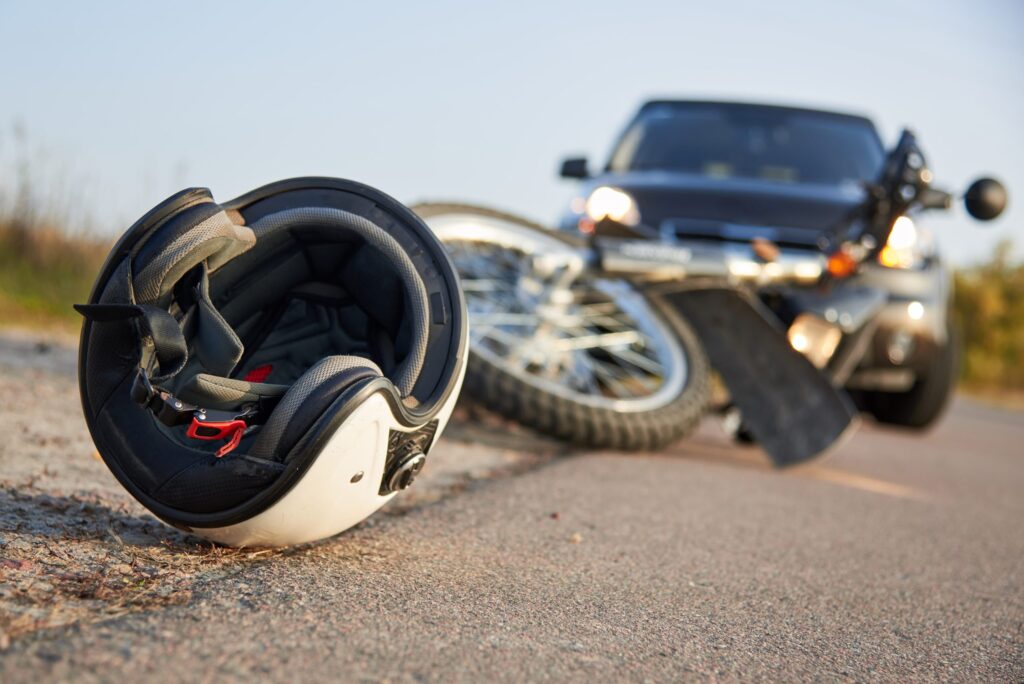
Helmets can reduce the risk and severity of certain head injuries, but they cannot eliminate the possibility of brain or head trauma.
A helmet may provide protection against direct impact and help reduce the severity of some injuries. However, a rider can still suffer a concussion or other traumatic brain injury even while wearing a helmet.
Whether a motorcyclist was wearing a helmet can also become an issue in an insurance claim or personal injury lawsuit. The legal effect of helmet use depends on the applicable state law and the circumstances of the case.
Broken Bones and Orthopedic Injuries
Motorcycle riders frequently suffer fractures because their bodies can absorb significant forces during a collision or fall.
Common fractures include:
- Leg and thigh fractures
- Arm and forearm fractures
- Wrist and hand fractures
- Ankle and foot fractures
- Collarbone fractures
- Rib fractures
- Pelvic fractures
Some fractures heal with immobilization and physical therapy, while severe breaks may require surgery, hardware, or multiple rounds of rehabilitation.
Road Rash, Burns, and Skin Injuries
When a rider slides across pavement, friction can remove layers of skin and cause road rash. Severe road rash can require wound care, surgery, skin grafts, and treatment for infection.
Motorcycle accidents can also cause burns when fuel ignites, hot engine components come into contact with the body, or the rider is exposed to another source of heat.
Serious skin injuries may leave permanent scars or require reconstructive treatment. Disfigurement can also affect a person’s emotional well-being and quality of life.
Spinal Cord Injuries and Paralysis
A motorcycle crash can damage the spine or spinal cord, potentially resulting in permanent neurological impairment.
Depending on the location and severity of the injury, a rider may experience:
- Loss of sensation
- Weakness
- Loss of coordination
- Paralysis of the legs
- Paralysis affecting all four limbs
- Chronic pain
- Loss of bladder or bowel control
Spinal cord injuries can require lifelong medical treatment, rehabilitation, assistive equipment, home modifications, and personal care.
For severe injuries, the cost of future care can be one of the largest components of a personal injury claim.
Why Are Motorcycle Accident Insurance Claims Difficult?
Motorcyclists can face an additional challenge when dealing with insurance companies: bias against riders.
An insurer may attempt to suggest that the motorcyclist was speeding, riding aggressively, lane splitting improperly, or otherwise contributing to the collision. These assumptions should not replace evidence.
Insurance companies may also investigate:
- Who had the right of way
- Vehicle speeds
- Traffic signals
- Lane positions
- Visibility
- Helmet and protective equipment use
- Alcohol or drug use
- Whether either driver was distracted
- Whether the motorcycle had mechanical problems
- Statements from witnesses
- Police reports and accident reconstruction evidence
An insurance company’s initial assessment is not necessarily the final determination of legal responsibility.
Can a Motorcyclist Recover Compensation if They Were Partly at Fault?
Potentially. Being partly responsible for an accident does not automatically mean that a motorcyclist cannot recover compensation.
The rules depend on the state where the accident occurred. Illinois and Florida, for example, have comparative negligence rules that can affect how damages are calculated when more than one person contributed to an accident.
Because motorcycle accidents often involve disputes about speed, lane position, or right of way, evidence can be critical. Photos, video footage, witness statements, vehicle damage, police reports, medical records, and other evidence may help establish what actually happened.
Motorcycle Laws in Illinois
Illinois has specific requirements governing motorcycle operation, equipment, licensing, and safety. These laws can become relevant when an insurance company argues that a rider violated a traffic or motorcycle rule.
A violation does not automatically mean that the motorcyclist caused the crash. The important question is often whether the alleged violation contributed to the collision and resulting injuries.
For a motorcycle accident in Illinois, an investigation may examine issues such as licensing, helmet use, traffic signals, lane positioning, speed, and other applicable traffic rules.
Motorcycle Laws in Florida and Lane Splitting
Motorcycle laws differ significantly between states. One issue that frequently arises is lane splitting, which generally refers to a motorcycle traveling between lanes of slow-moving or stopped traffic.
Whether lane splitting or lane filtering is permitted depends on the state and the specific circumstances. Riders should not assume that a practice permitted in one state is legal in another.
When a crash involves lane splitting, the legality of the maneuver can become part of the liability analysis. However, legality and causation are separate questions: even if a rider violated a traffic rule, the evidence still needs to establish whether that conduct contributed to the accident.
What Should You Do After a Motorcycle Accident?
The steps you take immediately after a crash can affect both your recovery and your potential claim.
If you are physically able to do so:
- Move to a safe location if necessary.
- Call 911 and report the accident.
- Seek medical attention, even if your injuries initially seem minor.
- Exchange information with the other driver.
- Take photographs or video of the scene, vehicles, road conditions, and visible injuries.
- Obtain contact information from witnesses.
- Keep copies of medical records and bills.
- Notify your insurance company as required by your policy.
- Avoid speculating about fault at the accident scene.
- Speak with a motorcycle accident lawyer before accepting a settlement.
Do not assume that feeling relatively well immediately after a collision means you are uninjured. Some accident-related conditions take time to become apparent.
How Long Does a Motorcycle Accident Lawsuit Take?
There is no standard timeline for a motorcycle accident lawsuit. Some claims resolve through insurance negotiations, while others require litigation.
The timeline can depend on:
- The severity of the injuries
- Whether the injured person has completed treatment
- The amount of evidence involved
- Whether liability is disputed
- The number of parties and insurance policies involved
- Whether a settlement can be reached
- Court scheduling and litigation requirements
Severe injuries can make a claim take longer because it may be necessary to understand the victim’s long-term medical needs and future financial losses before determining an appropriate settlement.
How Much Is a Motorcycle Accident Claim Worth?
There is no guaranteed average payout for a motorcycle accident. Every claim depends on its specific facts and damages.
Potential compensation may include:
- Emergency treatment and hospital bills
- Surgery and rehabilitation
- Future medical expenses
- Lost wages
- Reduced earning capacity
- Property damage
- Pain and suffering
- Emotional distress
- Permanent disability
- Disfigurement
- Long-term care costs
A serious injury can produce significant future expenses. For example, a rider who suffers permanent mobility limitations may require ongoing therapy, assistive devices, home modifications, or personal assistance.
Insurance limits can also affect how much compensation is available. Multiple insurance policies or potentially responsible parties may need to be investigated when damages exceed one policy’s limits.
Who Can Be Liable for a Motorcycle Accident?
The driver of another vehicle is often the primary defendant in a motorcycle accident claim, but liability can extend beyond the other motorist.
Depending on the circumstances, potentially responsible parties may include:
- A negligent passenger vehicle driver
- A commercial truck driver or trucking company
- A rideshare or delivery driver
- A vehicle manufacturer
- A motorcycle or parts manufacturer
- A property owner
- A government entity responsible for dangerous road conditions
- Another party whose negligence contributed to the crash
For example, if a motorcycle accident involves a commercial truck, the case may also involve trucking regulations, employer liability, or other evidence that differs from a standard passenger vehicle collision.
Motorcycle Accidents Involving DUI
Driving under the influence of alcohol or drugs can dramatically increase the risk of a motorcycle collision. A driver who is impaired may have slower reaction times, poor judgment, reduced coordination, and difficulty maintaining a lane.
If an impaired driver causes a motorcycle accident, evidence such as police reports, chemical testing, witness statements, and criminal charges may be relevant to the civil personal injury claim.
If you were injured by a drunk or drug-impaired driver, legal issues may overlap with a DUI-related case as well as the underlying motor vehicle accident claim.
When Should You Contact a Motorcycle Accident Lawyer?
Consider contacting a personal injury lawyer if you suffered significant injuries, your claim is disputed, an insurance company is offering a settlement, or another party is blaming you for the accident.
Legal representation can help with:
- Investigating the crash
- Preserving evidence
- Determining liability
- Communicating with insurance companies
- Evaluating medical expenses and lost income
- Calculating future losses
- Negotiating a settlement
- Filing a lawsuit when appropriate
Zayed Law Offices represents people injured in motorcycle accidents and other types of personal injury cases. You can contact Zayed Law Offices to discuss legal representation and the circumstances of your accident.
Other Personal Injury Cases Zayed Law Offices Handles
Motorcycle accidents can overlap with several other areas of personal injury law. Depending on the circumstances, Zayed Law Offices also handles cases involving car accidents, truck accidents, DUI-related accidents, pedestrian accidents, brain injuries, and other serious personal injuries.
These cases can involve many of the same legal issues, including negligence, comparative fault, insurance coverage, medical expenses, lost income, and long-term disability.
Frequently Asked Questions
Do motorcycle riders always have to wear a helmet?
Helmet requirements vary by state and can depend on factors such as the rider’s age and the type of motorcycle. Riders should check the laws applicable where they are operating.
Can I recover compensation if I was not wearing a helmet?
Potentially. The answer depends on the applicable state law and the facts of the accident. Helmet use may affect certain aspects of a claim, but it does not necessarily determine who caused the collision.
Can I sue if a car hit my motorcycle?
If another driver’s negligence caused the accident, you may have grounds for a personal injury claim. Compensation may include medical expenses, lost wages, pain and suffering, and other damages.
What if the insurance company blames me for the motorcycle accident?
Do not assume that an insurer’s position is the final determination of fault. Liability should be evaluated using evidence such as accident reports, photographs, video, witness testimony, vehicle damage, and medical records.
How long do I have to file a motorcycle accident lawsuit?
The deadline depends on the state and circumstances of the claim. Illinois and Florida have different statutes of limitations and exceptions, so an injured rider should not delay obtaining legal advice.
Should I hire a lawyer after a motorcycle accident?
A lawyer may be particularly helpful when injuries are serious, liability is disputed, multiple parties are involved, or an insurance company is offering a settlement that may not account for future losses. Zayed Law Offices can evaluate whether legal representation is appropriate for your situation.