


Zayed Law Offices is proud to represent individuals throughout Chicago and Illinois who have suffered bone fractures due to accidents caused by negligence. Broken bones are among the most common injuries in personal injury cases, but they are often far more serious than many people expect. Depending on the severity of the fracture, victims may face extensive medical treatment, surgery, long recovery periods, and even permanent complications.
Bone fractures can result from a wide range of accidents, including car crashes, slip and falls, workplace incidents, bicycle accidents, and more. While some fractures heal with time, others can lead to chronic pain, limited mobility, and long-term disability. When a fracture is caused by someone else’s negligence, injured victims may have the right to pursue compensation for their losses.
If you have suffered a fracture in an accident, understanding your legal rights is an important step toward protecting your recovery and your future.
What Is a Bone Fracture?
A bone fracture occurs when a bone breaks or cracks due to trauma, excessive force, or stress. Fractures can vary widely in severity, ranging from simple cracks to complex breaks that require surgical intervention.
Fractures are typically classified into several types, including:
- Simple (closed) fractures – the bone breaks but does not puncture the skin
- Compound (open) fractures – the bone breaks through the skin, increasing the risk of infection
- Comminuted fractures – the bone breaks into multiple pieces
- Displaced fractures – the bone shifts out of its normal alignment
- Stress fractures – small cracks that develop over time due to repetitive stress
Each type of fracture requires different treatment and can have varying long-term effects.
Common Causes of Bone Fractures in Chicago
Bone fractures often occur as a result of sudden trauma or unsafe conditions.
Car Accidents
Motor vehicle collisions are one of the leading causes of fractures. The force of impact can result in:
- Broken arms and legs
- Rib fractures
- Facial fractures
- Pelvic injuries
Slip and Fall Accidents
Falls are a common cause of fractures, especially in:
- Grocery stores
- Apartment buildings
- Sidewalks
- Workplaces
Slip and fall accidents frequently result in wrist, hip, and ankle fractures.
Workplace Accidents
Workers in construction, manufacturing, and warehouse environments face increased risks of fractures due to:
- Falls from heights
- Falling objects
- Machinery accidents
Bicycle and Pedestrian Accidents
Cyclists and pedestrians are especially vulnerable when struck by vehicles, often suffering serious fractures.
Sports and Recreational Accidents
High-impact activities can lead to fractures, particularly when safety precautions are not followed.
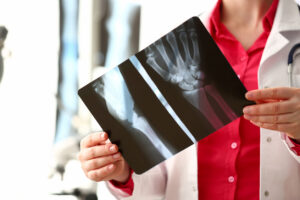
Common Types of Fractures in Injury Cases
Certain types of fractures are more commonly seen in personal injury claims.
Arm and Wrist Fractures
Often occur when individuals attempt to break a fall.
Leg and Ankle Fractures
Common in car accidents and slip and falls.
Hip Fractures
Particularly serious, especially for older adults, and often require surgery and long-term rehabilitation.
Rib Fractures
Frequently caused by blunt force trauma in vehicle collisions.
Skull and Facial Fractures
These injuries can involve significant complications, including brain injury and permanent disfigurement.
Spinal Fractures
Fractures involving the spine may result in nerve damage or paralysis.
Medical Treatment for Bone Fractures
The treatment required for a fracture depends on the type and severity of the injury.
Immobilization
Many fractures require:
- Casts
- Splints
- Braces
to keep the bone in proper alignment during healing.
Surgery
Severe fractures may require surgical intervention, including:
- Metal plates
- Screws
- Rods or pins
Physical Therapy
Rehabilitation is often necessary to restore strength, flexibility, and mobility.
Long-Term Care
Some fractures result in complications requiring ongoing medical treatment.
Complications Associated With Bone Fractures
While many fractures heal properly, some lead to long-term complications.
Potential complications include:
- Chronic pain
- Reduced mobility
- Nerve damage
- Infection (especially with open fractures)
- Improper healing (malunion or nonunion)
- Arthritis
These complications can significantly affect a person’s quality of life and ability to work.
The Impact of a Fracture Injury
Bone fractures can affect more than just physical health.
Lost Income
Many individuals are unable to work while recovering from a fracture.
Medical Expenses
Costs may include:
- Emergency care
- Surgery
- Rehabilitation
- Follow-up treatment
Daily Limitations
Fractures can interfere with:
- Mobility
- Self-care
- Household tasks
- Driving
Emotional Effects
Injuries may lead to:
- Stress
- Anxiety
- Depression
What You Need to Know About Illinois Personal Injury Law
Modified Comparative Fault
Illinois follows a modified comparative negligence rule:
- You can recover compensation if you are less than 51% at fault
- Your recovery is reduced based on your percentage of fault
Statute of Limitations
Most personal injury claims must be filed within two years of the date of the injury.
Prompt legal action helps preserve evidence and protect your rights.
Proving Liability in a Bone Fracture Case
To recover compensation, it must be shown that another party’s negligence caused the injury.
Evidence may include:
- Accident reports
- Medical records
- Witness statements
- Photographs or video footage
- Expert testimony
Establishing liability is essential to building a strong claim.
How Zayed Law Offices Handles Bone Fracture Cases
Fracture injury claims require a detailed and strategic approach.
Case Evaluation
Each case begins with a review of:
- How the injury occurred
- The severity of the fracture
- Potential liability
Medical Documentation
Medical records are critical for demonstrating the extent of the injury and necessary treatment.
Investigation
This may include gathering:
- Accident reports
- Witness statements
- Photographic evidence
Negotiation and Litigation
Insurance companies may attempt to minimize fracture injuries. Strong preparation is essential to pursuing fair compensation.
How Compensation Is Calculated in Fracture Cases
The value of a fracture injury claim depends on several factors.
Potential damages may include:
Medical Expenses
- Emergency treatment
- Surgery
- Hospitalization
- Rehabilitation
- Future medical care
Lost Income
- Missed wages
- Reduced earning capacity
- Future income losses
Pain and Suffering
Compensation may be available for physical pain and emotional distress.
Loss of Normal Life
Serious fractures can affect a person’s ability to perform everyday activities.
What Should You Do After Suffering a Fracture?
Taking the right steps after an injury can help protect your health and your claim:
- Seek medical attention immediately
- Follow all treatment recommendations
- Document your injury and recovery
- Keep records of medical expenses
- Avoid discussing your case with insurance companies without guidance
Contact a Chicago Bone Injury Accident Lawyer Today
Bone injuries are not always simple. Many require months of medical procedures, limited activity, and pain. Unfortunately, bone fractures can also lead to death or further injury in some cases. Let our Chicago bone injury lawyers at Zayed Law Offices Personal Injury Attorneys answer your legal questions, explore your options for seeking compensation, and provide you with information about the services we can provide to help you with your claim. For a free case evaluation, contact us online or call (312) 726-1616. Contact Zayed Law Offices Personal Injury Attorneys today.
Visit Our Personal Injury Law Office in Chicago, IL
Zayed Law Offices Personal Injury Attorneys
Address:
10 S La Salle St STE 1230
Chicago, IL 60603
Phone:
(312) 726-1616
Business Hours:
Monday: Open 24 hours
Tuesday: Open 24 hours
Wednesday: Open 24 hours
Thursday: Open 24 hours
Friday: Open 24 hours
Saturday: Open 24 hours
Sunday: Open 24 hours

Frequently Asked Questions About Bone Fracture Claims
Yes. Even relatively common fractures can lead to long-term complications and significant medical expenses.
Potentially, yes. The value of a claim depends on the circumstances and impact of the injury.
Surgical cases often involve higher damages due to increased medical costs and recovery time.