


Zayed Law Offices is proud to represent individuals and families throughout Chicago and Illinois who have suffered traumatic brain injuries due to the negligence of others. Brain injuries are among the most serious and life-changing injuries a person can experience. Even a seemingly mild concussion can lead to lasting cognitive, emotional, and physical symptoms, while severe traumatic brain injuries (TBIs) may result in permanent disability, lifelong medical care, and profound changes to a person’s quality of life.
Unlike many other injuries, the effects of a brain injury are not always immediately visible. Victims may struggle with memory loss, concentration problems, personality changes, headaches, mood disorders, and other symptoms that impact every aspect of daily life. These injuries often affect not only the victim but also their family members, caregivers, and loved ones. Brain injuries frequently require extensive medical treatment, rehabilitation, and long-term support.
If you or a loved one suffered a brain injury because of someone else’s negligence, understanding your legal rights is an important step toward protecting your future.
What Is a Traumatic Brain Injury?
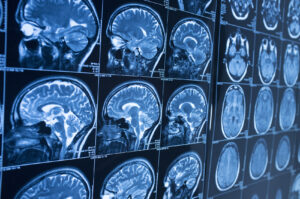
A traumatic brain injury (TBI) occurs when an external force disrupts the normal function of the brain. TBIs can range from mild concussions to catastrophic injuries involving permanent brain damage.
Brain injuries commonly occur when:
- The head strikes an object
- An object strikes the head
- The brain moves violently within the skull
- A penetrating injury enters the brain
- Lack of oxygen causes brain damage
Traumatic brain injuries are often referred to as “invisible injuries” because victims may appear physically unharmed while experiencing significant neurological impairment. Brain injuries can affect thinking, memory, behavior, emotions, balance, speech, and motor function.
Types of Brain Injuries
Brain injuries vary significantly in severity and long-term consequences.
Concussions
Concussions are among the most common forms of traumatic brain injury.
Symptoms may include:
- Headaches
- Dizziness
- Nausea
- Sensitivity to light
- Difficulty concentrating
- Memory problems
Although often classified as “mild” brain injuries, concussions can produce long-lasting symptoms and complications.
Moderate and Severe Traumatic Brain Injuries
More severe TBIs may result in:
- Loss of consciousness
- Brain bleeding
- Swelling of brain tissue
- Permanent neurological deficits
- Cognitive impairment
These injuries frequently require hospitalization and extensive rehabilitation.
Diffuse Axonal Injuries
Diffuse axonal injuries occur when rapid acceleration or deceleration causes the brain to move violently within the skull.
These injuries are commonly associated with:
- High-speed vehicle collisions
- Motorcycle accidents
- Falls from significant heights
Diffuse axonal injuries can result in severe disability or death.
Penetrating Brain Injuries
Penetrating injuries occur when an object enters the skull and damages brain tissue.
These injuries often require emergency surgery and may result in permanent impairment.
Anoxic and Hypoxic Brain Injuries
Brain damage can also occur when the brain is deprived of oxygen.
Potential causes include:
- Near-drowning incidents
- Medical malpractice
- Suffocation
- Cardiac arrest complications
Common Causes of Brain Injuries in Chicago
Brain injuries occur in a variety of accident scenarios throughout Chicago.
Car Accidents
Motor vehicle collisions are a leading cause of traumatic brain injuries.
Even when occupants do not strike their heads, violent forces can cause the brain to move within the skull.
Common crash types include:
- Rear-end collisions
- T-bone accidents
- Head-on collisions
- Rollover crashes
Truck Accidents
Commercial truck accidents often produce severe impact forces capable of causing catastrophic brain injuries.
Motorcycle Accidents
Motorcyclists face increased risks due to their limited protection during collisions.
Pedestrian and Bicycle Accidents
Pedestrians and cyclists are particularly vulnerable to head trauma when struck by motor vehicles.
Slip and Fall Accidents
Falls frequently cause brain injuries, especially among older adults.
Hazards may include:
- Wet floors
- Uneven sidewalks
- Poor lighting
- Dangerous stairways
Workplace Accidents
Construction sites, warehouses, manufacturing facilities, and industrial workplaces often present significant risks for head injuries.
Medical Malpractice
Healthcare negligence can result in brain damage caused by:
- Surgical errors
- Delayed diagnosis
- Oxygen deprivation
- Birth injuries
Brain injuries can arise from a wide range of accidents, including motor vehicle collisions, falls, medical negligence, defective products, workplace accidents, and sports-related incidents.
Common Symptoms of a Brain Injury
Brain injury symptoms may appear immediately or develop over time.
Physical symptoms often include:
- Persistent headaches
- Dizziness
- Nausea
- Balance problems
- Fatigue
- Vision disturbances
Cognitive symptoms may include:
- Memory loss
- Difficulty concentrating
- Slowed thinking
- Confusion
- Reduced problem-solving ability
Emotional and behavioral symptoms may include:
- Depression
- Anxiety
- Mood swings
- Irritability
- Personality changes
Because symptoms can be delayed, prompt medical evaluation is critical after any head injury.
Long-Term Effects of Brain Injuries
Many victims experience consequences that extend far beyond the initial injury.
Potential long-term effects include:
- Chronic headaches
- Cognitive impairment
- Speech difficulties
- Loss of independence
- Reduced earning capacity
- Emotional disorders
- Permanent disability
Severe brain injuries may require lifelong assistance with daily activities and ongoing medical care. Many victims cannot return to their previous employment or maintain the same quality of life they enjoyed before the injury.
Who May Be Liable for a Brain Injury?
Liability depends on how the injury occurred.
Potentially responsible parties may include:
Negligent Drivers
Drivers may be liable when crashes result from:
- Distracted driving
- Drunk driving
- Speeding
- Reckless behavior
Property Owners
Unsafe premises can contribute to falls and other accidents resulting in brain injuries.
Employers and Contractors
Workplace injuries may involve liability beyond workers’ compensation benefits.
Healthcare Providers
Medical professionals may be responsible when negligent care causes brain damage.
Product Manufacturers
Defective products that contribute to head injuries may result in product liability claims.
Determining liability often requires extensive investigation and expert analysis.
What You Need to Know About Illinois Brain Injury Claims
Modified Comparative Negligence
Illinois follows a modified comparative fault system.
Under this rule:
- Victims may recover compensation if they are less than 51% responsible
- Compensation is reduced by the percentage of fault assigned
Statute of Limitations
Most Illinois personal injury claims must be filed within two years of the injury.
Delays can make it more difficult to preserve evidence and protect legal rights.
Challenges in Brain Injury Cases
Brain injury claims are often more complex than many other injury cases.
Common challenges include:
Invisible Symptoms
Many brain injury symptoms cannot be seen on imaging studies or through physical examination alone.
Insurance Company Disputes
Insurers frequently argue that:
- Symptoms are exaggerated
- The injury existed before the accident
- The victim has recovered
Long-Term Medical Needs
Future care costs can be substantial and difficult to calculate without expert assistance.
Complex Medical Evidence
Brain injury cases often require testimony from:
- Neurologists
- Neuropsychologists
- Rehabilitation specialists
- Life-care planners
How Zayed Law Offices Handles Brain Injury Cases
Brain injury claims require a comprehensive approach.
Thorough Investigation
Evidence may include:
- Accident reports
- Medical records
- Imaging studies
- Witness statements
- Expert evaluations
Medical Documentation
Proper medical documentation helps establish:
- The severity of the injury
- Future treatment needs
- Long-term limitations
Expert Consultation
Brain injury cases often rely on medical experts to explain the injury and its consequences.
Negotiation and Litigation
Insurance companies frequently resist paying the full value of serious brain injury claims. Strong preparation is essential whether negotiating a settlement or pursuing litigation.
Compensation Available in Brain Injury Cases
Compensation depends on the nature and severity of the injury.
Potential damages may include:
Medical Expenses
- Emergency treatment
- Hospitalization
- Surgery
- Rehabilitation
- Future medical care
Lost Income
Victims may recover compensation for:
- Lost wages
- Reduced earning capacity
- Future income losses
Pain and Suffering
Brain injuries often cause substantial physical, emotional, and psychological hardship.
Loss of Normal Life
Victims may be compensated when injuries interfere with daily activities, relationships, and independence.
Future Care Costs
Severe brain injuries may require:
- Home modifications
- Assistive technology
- Long-term nursing care
- Rehabilitation services
Schedule a Free Consultation With Our Experienced Chicago Brain Injury Lawyers
Call Zayed Law Offices Personal Injury Attorneys if you’ve recently suffered a brain injury in a Chicago accident. You may be entitled to a substantial monetary award, and our Chicago brain injury attorneys are prepared to help you maximize your recovery.
When you choose Zayed Law Offices Personal Injury Attorneys, you put a team of award-winning litigators that have won millions in life-changing financial awards in your corner.
Don’t hesitate to ask for our help. Call or visit our law office in Chicago, IL, today to arrange a time or a free consultation now.
Visit Our Personal Injury Law Office in Chicago, IL
Zayed Law Offices Personal Injury Attorneys
10 S La Salle St STE 1230, Chicago, IL 60603
(312) 726-1616
Business Hours: 24/7

Frequently Asked Questions About Brain Injury Claims
Yes. Many serious brain injuries occur without any loss of consciousness.
Delayed symptoms are common in brain injury cases and should be evaluated by a medical professional.
Every case is different. Factors include the severity of the injury, future care needs, lost earnings, and overall impact on the victim’s life.
Most serious brain injury claims rely heavily on expert medical evidence.