

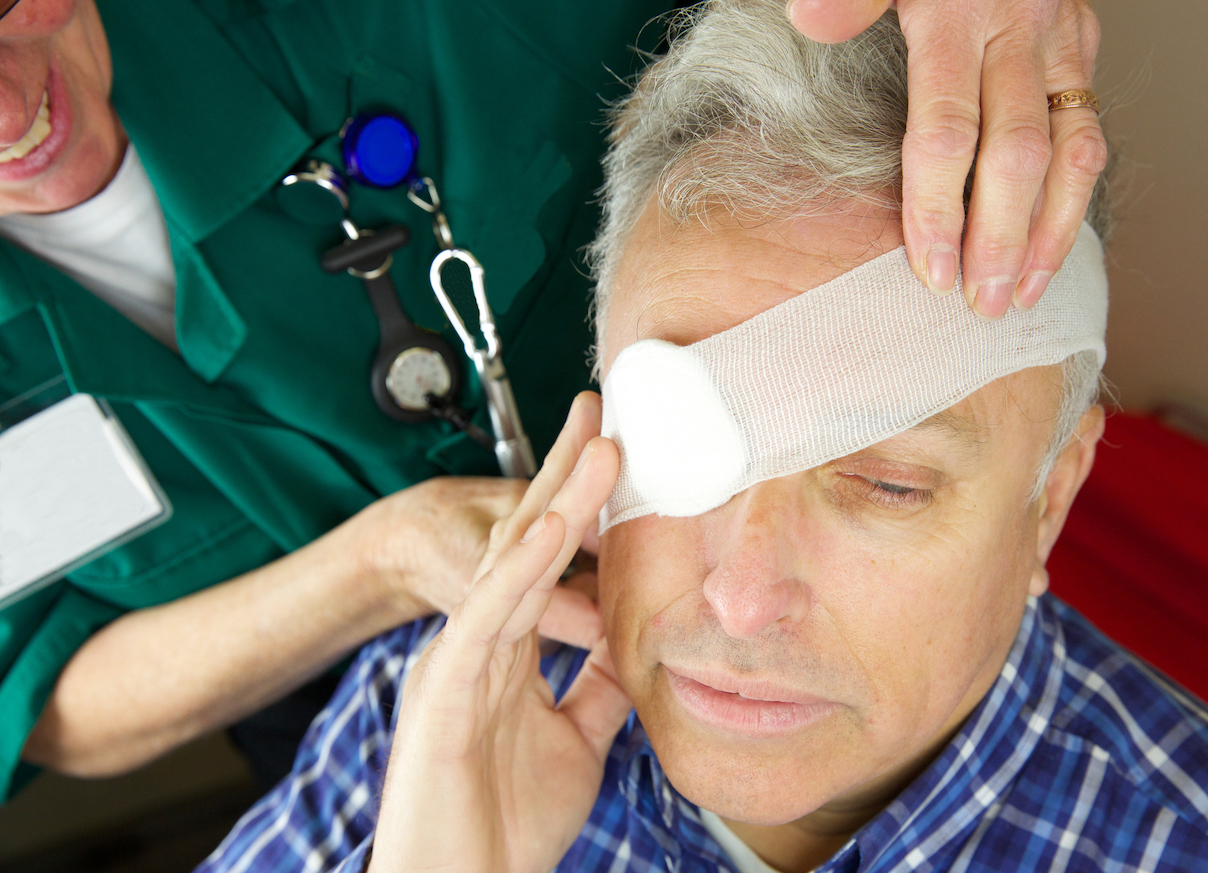
Surgical and hospital negligence occurs when healthcare providers fail to meet the accepted standard of care, causing preventable injuries or complications. Common examples include surgical mistakes, anesthesia errors, medication errors, hospital-acquired infections, and failures to properly monitor patients. If negligence causes harm, injured patients may have the right to pursue compensation through a medical malpractice claim.
Hospitals are expected to provide safe, competent medical care. While every medical procedure carries some risk, preventable mistakes are different from unavoidable complications. Surgeons, nurses, anesthesiologists, and hospitals can all be held accountable when their negligence leads to serious injury.
This guide explains the most common types of surgical and hospital negligence, who may be liable, and how these cases are proven.
Surgical Errors
Surgical errors are preventable mistakes that occur before, during, or after an operation.
Common surgical errors include:
- Operating on the wrong body part
- Performing the wrong procedure
- Damaging nearby organs or nerves
- Leaving surgical instruments inside the patient
- Failing to control bleeding
- Poor post-operative care
These mistakes can result in additional surgeries, permanent disabilities, infections, or death.
Wrong-Site Surgery
Wrong-site surgery occurs when a procedure is performed on the wrong body part.
Examples include operating on the wrong knee, eye, hand, or spinal level. Strict safety protocols exist to prevent these errors, making them among the most avoidable forms of medical negligence.
Wrong-Patient Surgery
Wrong-patient surgery happens when a procedure is performed on the wrong individual because of identification or communication failures.
Hospitals should verify a patient’s identity multiple times before surgery. Failing to follow these protocols can have devastating consequences.
Retained Surgical Instruments
Retained surgical instruments are medical items accidentally left inside a patient’s body after surgery.
Examples include:
- Sponges
- Surgical clamps
- Needles
- Retractors
Patients often require additional surgery to remove these objects and may suffer infections or internal injuries.
Anesthesia Errors
Anesthesia mistakes can occur before, during, or after surgery and may cause serious complications.
Examples include:
- Incorrect dosage
- Failure to monitor vital signs
- Delayed response to complications
- Failure to review allergies or medical history
Serious anesthesia errors may result in brain injuries, cardiac arrest, or death.
Medication Errors
Medication errors occur when patients receive the wrong medication, incorrect dosage, or inappropriate treatment.
These mistakes may involve:
- Prescription errors
- Pharmacy errors
- Incorrect administration
- Dangerous drug interactions
Many medication errors are preventable through proper verification procedures.
Hospital Negligence
Hospitals may be liable when unsafe policies, poor staffing, or inadequate supervision contribute to patient injuries.
Negligence may include:
- Unsafe procedures
- Poor infection control
- Inadequate employee training
- Failure to maintain equipment
- Improper patient supervision
Nursing Negligence
Nurses play a critical role in patient care, and mistakes can lead to serious harm.
Examples include:
- Failing to recognize complications
- Medication errors
- Ignoring physician orders
- Inadequate patient assessments
- Poor documentation
Understaffing
Hospital understaffing increases the risk of preventable medical errors.
When nurses and physicians are responsible for too many patients, important warning signs may be missed, treatment may be delayed, and patient safety can suffer.
Hospital-Acquired Infections
Patients may develop infections because hospitals fail to follow proper infection-control procedures.
Common infections include:
- MRSA
- Surgical site infections
- Pneumonia
- Bloodstream infections
Proper sterilization, hygiene, and infection prevention measures are essential to patient safety.
Failure to Monitor Patients
Healthcare providers must closely monitor patients after surgery and during hospitalization.
Failure to recognize changing vital signs, internal bleeding, infections, or respiratory distress can lead to life-threatening complications.
Communication Failures
Poor communication between healthcare providers is a leading cause of preventable medical errors.
Examples include:
- Incomplete shift reports
- Delayed test results
- Incorrect medication orders
- Failure to communicate critical findings
ICU Negligence
Patients in intensive care require constant monitoring and immediate intervention when complications arise.
Negligence in the ICU may involve delayed treatment, medication errors, equipment failures, or inadequate patient monitoring.
Emergency Room Negligence
Emergency departments must promptly recognize and treat life-threatening conditions.
Common emergency room errors include failing to diagnose:
- Stroke
- Heart attack
- Sepsis
- Internal bleeding
- Serious fractures
Delays in treatment can significantly worsen a patient’s outcome.
Nursing Home Negligence
Nursing home residents are entitled to safe and appropriate medical care.
Negligence may involve:
- Medication errors
- Falls
- Bedsores
- Malnutrition
- Dehydration
- Failure to obtain medical treatment
If your case involves long-term care negligence, you may wish to review our nursing home abuse resources or speak with an attorney about your legal options.
Hospital Liability
Hospitals can be held responsible when their employees or institutional failures contribute to patient injuries.
Depending on the circumstances, liability may arise from:
- Negligent hiring
- Inadequate staff training
- Unsafe policies
- Poor supervision
- Failure to maintain medical equipment
- Violations of patient safety standards
In many cases, both individual healthcare providers and the hospital itself may share responsibility.
Proving Negligence
A successful medical malpractice claim requires showing that a healthcare provider failed to meet the accepted standard of care and that the failure caused the patient’s injuries.
Evidence commonly includes:
- Medical records
- Surgical reports
- Medication records
- Hospital policies
- Witness testimony
- Expert medical opinions
Because these cases are medically and legally complex, expert testimony is often essential to establish negligence.
Know Your Rights After a Surgical or Hospital Error
Not every poor medical outcome is the result of malpractice. However, when preventable mistakes occur because healthcare providers fail to follow accepted medical standards, injured patients may be entitled to compensation for medical expenses, lost income, pain and suffering, and other damages.
If you believe you or a loved one was harmed by a surgical error or hospital negligence, consulting an experienced medical malpractice attorney can help you understand your legal rights and determine whether you have a claim.