

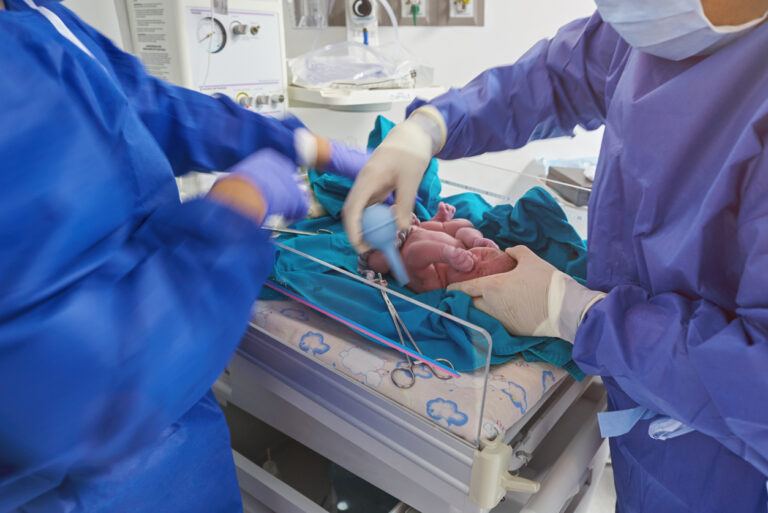
Birth injuries can occur when doctors, nurses, or hospitals fail to provide appropriate care during pregnancy, labor, or delivery. Medical negligence may lead to serious conditions such as hypoxic-ischemic encephalopathy (HIE), Erb’s palsy, cerebral palsy, brain injuries, or other lifelong complications. Families affected by preventable birth injuries may have the right to pursue compensation for medical care, future treatment, and other damages.
While not every birth injury is the result of malpractice, healthcare providers are expected to follow accepted medical standards throughout pregnancy and childbirth. Failing to recognize fetal distress, delaying an emergency C-section, or improperly using delivery instruments can have devastating consequences for both mother and baby.
This guide explains the most common birth injuries associated with medical negligence, how these injuries occur, and what legal options may be available to affected families.
Hypoxic-Ischemic Encephalopathy (HIE)
HIE is a serious brain injury caused by a lack of oxygen and blood flow before, during, or shortly after birth.
HIE is considered a medical emergency because brain cells begin to die within minutes when deprived of oxygen.
Common causes include:
- Umbilical cord complications
- Placental problems
- Delayed delivery
- Failure to recognize fetal distress
- Delayed emergency C-section
Children with severe HIE may develop permanent neurological disabilities, developmental delays, epilepsy, or cerebral palsy.
Erb’s Palsy
Erb’s palsy is a birth injury affecting the nerves that control the shoulder, arm, and hand.
The condition often occurs when excessive force is applied during delivery, particularly when the baby’s shoulder becomes lodged behind the mother’s pelvic bone.
Symptoms may include:
- Weakness in one arm
- Limited shoulder movement
- Loss of sensation
- Partial or complete paralysis
Some children recover with therapy, while others experience permanent impairment.
Cerebral Palsy
Cerebral palsy is a group of neurological disorders that affect movement, muscle control, and coordination.
Although cerebral palsy has many possible causes, some cases result from preventable oxygen deprivation during labor or delivery.
Medical negligence may contribute when providers fail to:
- Monitor fetal heart rate
- Respond to signs of fetal distress
- Perform a timely C-section
- Treat pregnancy or delivery complications
Children with cerebral palsy often require lifelong medical treatment, therapy, and specialized care.
Shoulder Dystocia
Shoulder dystocia occurs when a baby’s shoulder becomes trapped behind the mother’s pelvic bone during delivery.
This obstetrical emergency requires immediate intervention.
Improper management may result in:
- Erb’s palsy
- Fractured clavicle
- Nerve damage
- Oxygen deprivation
- Brain injury
Healthcare providers should be trained to safely manage shoulder dystocia using accepted delivery techniques.
Brain Injuries
Brain injuries during childbirth can result from trauma, oxygen deprivation, or delayed medical intervention.
These injuries may cause:
- Developmental delays
- Learning disabilities
- Cognitive impairment
- Seizures
- Permanent neurological damage
Early diagnosis and treatment may improve long-term outcomes, but many children require lifelong care.
Oxygen Deprivation
Oxygen deprivation during labor or delivery can permanently damage a baby’s brain and other vital organs.
Medical providers should promptly identify situations that reduce oxygen supply, including:
- Umbilical cord compression
- Placental abruption
- Uterine rupture
- Prolonged labor
- Fetal distress
Failing to act quickly may lead to catastrophic injuries.
Delayed C-Section
A delayed cesarean section may constitute medical negligence when doctors fail to perform surgery despite clear signs that immediate delivery is necessary.
Emergency C-sections are often required when:
- Fetal heart rate abnormalities develop
- Labor stops progressing
- Placental complications occur
- Umbilical cord problems threaten the baby’s oxygen supply
Delays may significantly increase the risk of permanent birth injuries.
Improper Fetal Monitoring
Continuous fetal monitoring helps healthcare providers detect signs that a baby is in distress before permanent injury occurs.
Medical negligence may occur when providers:
- Misinterpret fetal heart rate tracings
- Ignore abnormal monitoring results
- Delay intervention
- Fail to notify physicians of concerning changes
Prompt recognition of fetal distress can prevent many serious birth injuries.
Forceps Injuries
Forceps are specialized instruments used to assist difficult deliveries, but improper use can cause serious injuries.
Potential complications include:
- Skull fractures
- Facial nerve injuries
- Brain injuries
- Bleeding inside the skull
- Facial bruising
Forceps should only be used when medically appropriate and by properly trained healthcare providers.
Vacuum Extraction Injuries
Vacuum extraction devices can assist vaginal delivery but must be used carefully to avoid injury.
Improper use may cause:
- Scalp injuries
- Skull fractures
- Brain bleeding
- Nerve damage
- Shoulder injuries
Repeated failed attempts or excessive force may increase the risk of complications.
NICU Negligence
Newborns admitted to the Neonatal Intensive Care Unit (NICU) require specialized medical care and continuous monitoring.
Negligence in the NICU may involve:
- Medication errors
- Failure to monitor vital signs
- Delayed treatment
- Infection control failures
- Miscommunication among healthcare providers
Premature and medically fragile infants are especially vulnerable to preventable medical errors.
Long-Term Care Costs
Birth injuries often require extensive medical care throughout a child’s life.
Depending on the severity of the injury, families may face expenses related to:
- Hospital care
- Physical therapy
- Occupational therapy
- Speech therapy
- Wheelchairs and mobility equipment
- Home modifications
- Special education
- In-home nursing care
- Future medical treatment
These costs can reach hundreds of thousands or even millions of dollars over a child’s lifetime.
Compensation Available
Families affected by medical negligence may be entitled to compensation for both current and future losses.
A successful birth injury claim may include compensation for:
- Medical expenses
- Future medical care
- Rehabilitation
- Therapy
- Assistive devices
- Lost earning capacity
- Pain and suffering
- Emotional distress
- Loss of normal life
- Wrongful death damages, when applicable
Every case is unique, and compensation depends on the severity of the injury and its long-term impact.
Protecting Your Family’s Future
A preventable birth injury can affect every aspect of a child’s life and place significant emotional and financial burdens on a family. While no legal action can undo the harm, pursuing a medical malpractice claim may provide the resources needed for ongoing medical treatment, rehabilitation, specialized education, and long-term care.
If you believe your child’s injuries were caused by negligent medical care during pregnancy, labor, or delivery, an experienced Chicago birth injury lawyer can evaluate your case, explain your legal options, and help you seek the compensation your family deserves.