

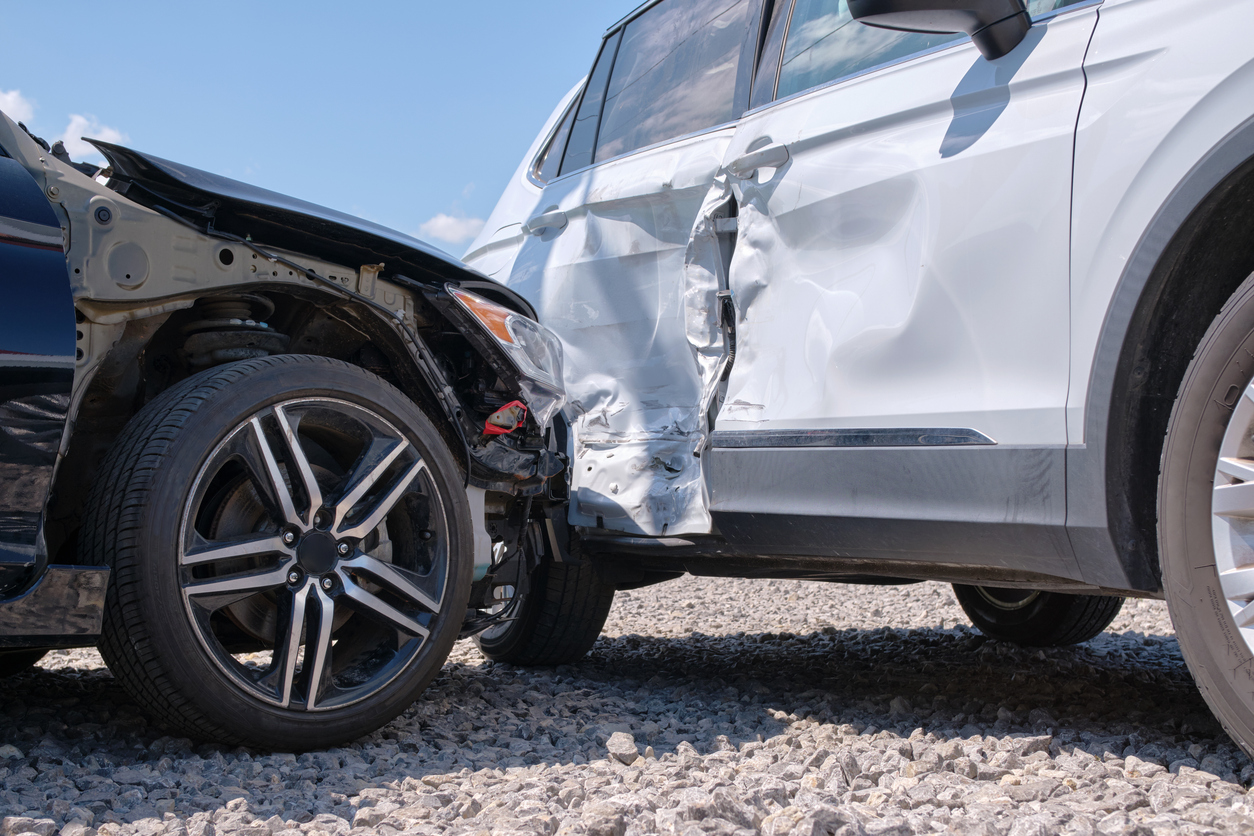
Illinois car accident laws determine who is financially responsible for a crash, how fault affects compensation, when accidents must be reported, and how long you have to file a claim. Illinois follows a modified comparative negligence rule, meaning you can recover compensation if you are 50% or less at fault, but your recovery is reduced by your share of responsibility. Understanding these laws can help you protect your rights and avoid costly mistakes after an accident.
Whether you’ve been involved in a minor collision or a serious crash, knowing the rules that govern liability, insurance claims, and legal deadlines is essential. Illinois has specific laws covering right-of-way, traffic violations, DUI, seat belt requirements, child restraints, accident reporting, and the statute of limitations for filing a lawsuit. This guide explains the most important Illinois car accident laws and what they mean for drivers and injury victims.
Car accidents can have lasting physical, emotional, and financial consequences. Taking the right legal steps early can help protect your rights and improve your chances of recovering full compensation.
Call Zayed Law Offices in Chicago today for a free, no-obligation consultation.
Illinois Is a Fault-Based State
Illinois follows a fault-based insurance system, meaning the driver who caused the accident is generally responsible for paying the damages.
After a crash, an injured person may:
- File a claim with the at-fault driver’s insurance company
- File a claim through their own insurance if applicable
- Pursue a personal injury lawsuit against the negligent driver
To recover compensation, you’ll need evidence showing another party was responsible for causing the accident.
Modified Comparative Negligence in Illinois
One of the most important Illinois laws affecting injury claims is the state’s modified comparative negligence rule.
Illinois allows injured victims to recover compensation even if they were partially responsible for the accident, as long as they are 50% or less at fault.
However, your compensation will be reduced by your percentage of fault.
For example:
- Total damages: $100,000
- You are found 20% at fault
- Recoverable compensation: $80,000
If you are more than 50% responsible, you cannot recover damages from the other party.
Because insurance companies often try to shift blame to reduce payouts, evidence such as witness statements, surveillance footage, accident reconstruction, and police reports can be critical.
Illinois Right-of-Way Laws
Many collisions happen because drivers fail to yield the right-of-way.
Illinois law requires drivers to yield in situations such as:
- Turning left across traffic
- Entering a roadway from a private driveway
- Merging into traffic
- Yielding to pedestrians in crosswalks
- Yielding to emergency vehicles with lights or sirens
Violating right-of-way laws can establish negligence in a personal injury claim.
Even if another driver violates the law, defensive driving remains important because comparative negligence may still affect your case.
Red Light and Traffic Signal Laws
Drivers must obey all traffic control devices, including traffic lights and lane signals.
Running a red light is one of the leading causes of serious intersection accidents throughout Illinois.
Drivers should remember that:
- A steady red light requires a complete stop.
- Right turns on red are generally allowed unless prohibited by posted signs.
- Drivers turning right on red must first stop and yield to pedestrians and other traffic.
- Yellow lights warn that the signal is about to change—not that drivers should accelerate through the intersection.
Violations often result in severe side-impact collisions that cause significant injuries.
Stop Sign Rules
Illinois law requires every driver approaching a stop sign to come to a complete stop before entering the intersection.
Rolling stops are illegal.
After stopping, drivers must:
- Yield to vehicles already in the intersection.
- Yield to vehicles that reached the intersection first.
- Yield to pedestrians crossing legally.
Failure to stop completely can result in traffic citations and may establish fault after an accident.
Illinois Speeding Laws
Speed limits are designed to reduce the likelihood and severity of crashes.
Drivers may receive citations not only for exceeding the posted speed limit but also for driving too fast for road conditions.
Examples include:
- Heavy rain
- Snow or ice
- Construction zones
- Heavy traffic
- Poor visibility
Speeding increases:
- Stopping distance
- Crash severity
- Risk of losing vehicle control
When excessive speed contributes to an accident, it often becomes strong evidence of negligence.
Illinois Seat Belt Laws
Illinois requires nearly every driver and passenger to wear a seat belt.
The law generally applies to:
- Drivers
- Front-seat passengers
- Rear-seat passengers
Children must also be properly restrained according to state law.
Although failing to wear a seat belt may result in a traffic citation, it does not automatically prevent you from recovering compensation after an accident.
However, insurance companies may argue that your injuries were worsened because you failed to wear a seat belt. Every case depends on its specific facts.
Illinois Child Restraint Laws
Illinois requires children to be secured using age- and size-appropriate safety restraints.
Generally:
- Infants and toddlers should ride in rear-facing car seats.
- Young children should use forward-facing child safety seats.
- Older children should use booster seats until they properly fit an adult seat belt.
Parents and caregivers should always follow both Illinois law and the manufacturer’s instructions for installing child safety seats.
Improperly secured children face a significantly higher risk of serious injury during a collision.
Illinois Window Tint Laws
Illinois regulates how dark vehicle window tint may be.
The allowable tint depends on factors such as:
- Vehicle type
- Front side windows
- Rear side windows
- Rear windshield
Excessively dark tint may reduce visibility, especially at night, and can lead to traffic stops or citations.
If illegal tint contributes to reduced visibility and causes a collision, it could become a factor during an accident investigation.
Drivers considering aftermarket window tint should ensure their vehicles comply with Illinois regulations.
Illinois DUI Laws
Driving under the influence of alcohol or drugs is illegal in Illinois and carries serious criminal penalties.
A driver may be charged with DUI if:
- Their blood alcohol concentration (BAC) is 0.08% or higher, or
- Drugs or alcohol impair their ability to operate a vehicle safely.
A DUI conviction may result in:
- License suspension
- Fines
- Jail time
- Mandatory education programs
From a civil perspective, impaired driving often serves as compelling evidence of negligence.
Victims injured by drunk drivers may be entitled to recover compensation for medical expenses, lost income, pain and suffering, and other damages.
Accident Reporting Requirements
Illinois law requires certain accidents to be reported.
Drivers should contact law enforcement whenever an accident involves:
- Injuries
- Death
- Significant property damage
- Unsafe roadway conditions
Police officers typically prepare an official crash report documenting:
- Driver information
- Witness statements
- Road conditions
- Vehicle damage
- Initial observations regarding fault
This report often becomes valuable evidence during an insurance claim or personal injury lawsuit.
Even if an accident appears minor, reporting it can help protect your legal interests.
Illinois Statute of Limitations
Illinois law limits how long accident victims have to file a lawsuit.
In most personal injury cases arising from a car accident, injured victims generally have two years from the date of the accident to file a lawsuit.
Claims involving property damage may be subject to different deadlines.
Missing the applicable statute of limitations can prevent you from pursuing compensation, regardless of how strong your case may be.
Because exceptions sometimes apply, it’s best to speak with an attorney as soon as possible after an accident.
Steps to Take After a Car Accident
The actions you take immediately after a collision can significantly affect your claim.
If possible:
- Move to a safe location.
- Call 911 if anyone is injured.
- Exchange information with the other driver.
- Photograph vehicle damage, injuries, and the accident scene.
- Collect witness contact information.
- Seek medical attention promptly.
- Notify your insurance company.
- Avoid discussing fault at the scene.
- Consult an experienced car accident attorney before accepting a settlement offer.
Why Understanding Illinois Car Accident Laws Matters
Insurance companies handle thousands of claims every year and often look for opportunities to minimize payouts. Understanding Illinois car accident laws helps you recognize your rights and avoid mistakes that could reduce the value of your claim.
Whether your accident involves comparative negligence, a distracted driver, speeding, or a DUI, having a clear understanding of the law allows you to make informed decisions throughout the claims process.
If you’ve been injured in a crash caused by someone else’s negligence, speaking with an experienced Chicago car accident lawyer can help you understand your legal options, protect your rights, and pursue the compensation you deserve.