

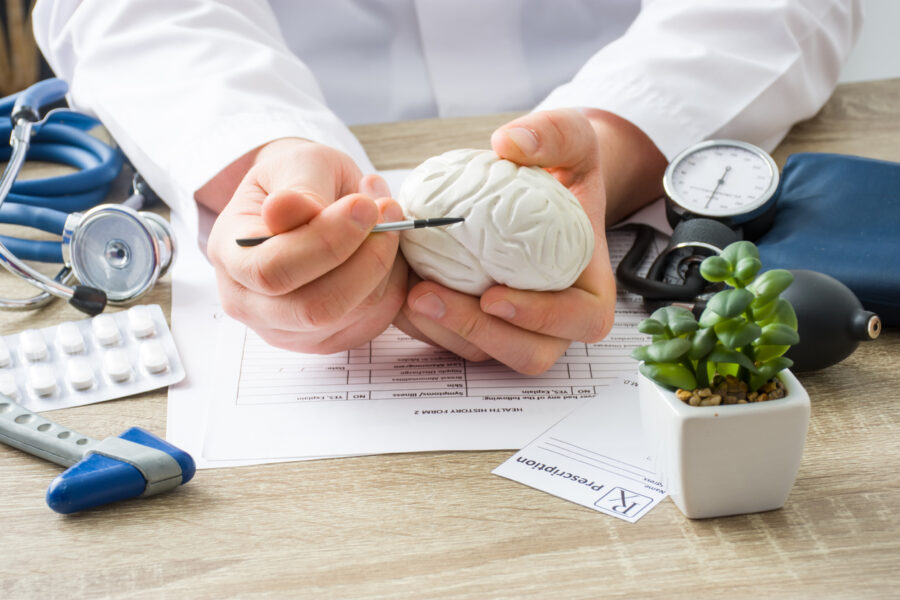
Brainstem injuries are among the most serious and life-altering forms of traumatic brain injury. The brainstem controls essential functions such as breathing, heart rate, blood pressure, and consciousness. When this critical area is damaged, the consequences can be severe or even fatal.
In Chicago, Illinois, brainstem injuries often occur as a result of high-impact accidents, including car crashes, falls, and violent incidents. Understanding the causes and effects of brainstem injuries can help victims and their families recognize the seriousness of these injuries and the importance of prompt medical and legal action.
What Is the Brainstem and Why Is It So Important?
The brainstem is located at the base of the brain and connects the brain to the spinal cord. It plays a vital role in regulating involuntary bodily functions that keep a person alive.
This area of the brain controls breathing, heart rate, swallowing, sleep cycles, and the ability to remain conscious. Because so many basic life functions depend on the brainstem, even a small injury can lead to catastrophic outcomes.
Common Causes of Brainstem Injuries in Chicago, IL
Brainstem injuries typically occur when the head or neck experiences sudden, forceful movement or direct trauma.
In Chicago, some of the most common causes include:
- Motor vehicle accidents involving cars, trucks, motorcycles, or pedestrians
- Slip and fall accidents on unsafe property
- Construction and workplace accidents
- Acts of violence, including assaults
- Sports or recreational accidents involving high-speed impact
These incidents often involve rapid acceleration or deceleration, which can cause the brainstem to stretch, twist, or compress within the skull.
How Brainstem Injuries Occur
Unlike some other types of brain injuries, brainstem injuries do not always involve a direct blow to the back of the head. Whiplash-type motions, severe shaking, or rotational forces can damage the brainstem without visible external injuries.
In some cases, swelling or bleeding in other parts of the brain can place pressure on the brainstem, interfering with its ability to function properly. This secondary damage can be just as dangerous as the initial trauma.
Signs and Symptoms of a Brainstem Injury
Symptoms of a brainstem injury can appear immediately or develop over time. Because these injuries affect vital functions, symptoms are often severe and require emergency medical care.
Common signs and symptoms include:
- Difficulty breathing or irregular breathing patterns
- Loss of consciousness or prolonged coma
- Problems with swallowing or speaking
- Weakness or paralysis in the arms or legs
- Loss of coordination or balance
- Changes in heart rate or blood pressure
In the most severe cases, brainstem injuries can result in locked-in syndrome or brain death.
Short-Term Effects of Brainstem Injuries
In the short term, individuals with brainstem injuries may require immediate life support, including ventilators or feeding tubes. Hospitalization is often prolonged, and patients may need intensive care to stabilize their condition.
Short-term effects can include respiratory failure, impaired consciousness, and an inability to communicate or move voluntarily. These early stages are critical, as complications can arise quickly.
Long-Term Effects and Prognosis
The long-term effects of a brainstem injury depend on the severity of the damage and how quickly treatment is received. Some individuals may regain limited function with extensive rehabilitation, while others may experience permanent disabilities.
Long-term consequences can include chronic breathing problems, paralysis, difficulty speaking or swallowing, cognitive impairments, and the need for lifelong medical care. Families are often required to make significant adjustments to provide ongoing support.
How Brainstem Injuries Are Diagnosed and Treated
Doctors diagnose brainstem injuries using neurological exams and imaging studies such as CT scans and MRIs. Because swelling can worsen damage, treatment often focuses on reducing pressure in the brain and stabilizing vital functions.
Treatment may include surgery, medication, respiratory support, and long-term rehabilitation therapies. Recovery is typically slow and requires a coordinated medical approach involving multiple specialists.
Rehabilitation and Recovery After a Brainstem Injury
Recovery from a brainstem injury is often complex and long term, requiring coordinated care from multiple medical specialists. Because these injuries affect basic bodily functions, rehabilitation typically begins in an intensive or acute care setting before transitioning to specialized therapy programs.
Rehabilitation may involve physical therapy to improve strength and mobility, speech therapy to address swallowing or communication difficulties, and occupational therapy to help patients relearn daily tasks. Some individuals also require respiratory therapy or assistive devices to manage breathing and other involuntary functions.
Progress can be slow, and outcomes vary widely depending on the severity of the injury and the individual’s overall health. While some patients regain partial function over time, others may require ongoing care and support, underscoring the life-altering nature of brainstem injuries for both victims and their families.
Legal Considerations After a Brainstem Injury
When a brainstem injury is caused by another party’s negligence, the injured person or their family may have the right to pursue a personal injury claim. In Illinois, these claims commonly arise from car accidents, unsafe premises, or workplace incidents.
Compensation may be available for medical expenses, long-term care costs, lost income, reduced earning capacity, and pain and suffering. Because brainstem injuries often require lifelong care, accurately documenting current and future losses is especially important.
Why Acting Quickly Matters in Chicago Brain Injury Cases
Brainstem injury cases often rely on medical evidence, accident reports, and expert testimony. Over time, evidence can be lost, and witnesses’ memories can fade. Illinois law also limits the time available to file a personal injury lawsuit.
Taking prompt action can help protect your rights while ensuring that critical evidence is preserved.
Schedule a Free Case Review With the Chicago Brain Injury Lawyers at Zayed Law Offices Personal Injury Attorneys Today
Brainstem injuries can place overwhelming physical, emotional, and financial strain on victims and their families. If you or a loved one has suffered a brainstem injury, seek legal counsel immediately to begin building your case. Call Zayed Law Offices Personal Injury Attorneys today at (312) 726-1616 to schedule a free consultation with our Chicago brain injury lawyers.
We proudly serve Cook County, Will County, Kendall County, and their surrounding areas:
Zayed Law Offices Personal Injury Attorneys – Chicago Office
10 S La Salle St STE 1230, Chicago, IL 60603
Phone:(312) 726-1616
Hours: Open 24/7
Our firm is located near you. We have an office in Chicago
Find us with our GeoCoordinates: 41.8816342, -87.6327395
Zayed Law Offices Personal Injury Attorneys – Joliet Office
195 Springfield Ave, Joliet, IL 60435
Phone: (815) 726-1616
Our firm is located near you. We have an office in Joliet
Find us with our GeoCoordinates: 41.5254295,-88.1381011
Zayed Law Offices Personal Injury Attorneys – Rockford Office
318 N 1st St, Rockford, IL 61107
Phone:(815) 662-0330
Hours: Open 24/7