
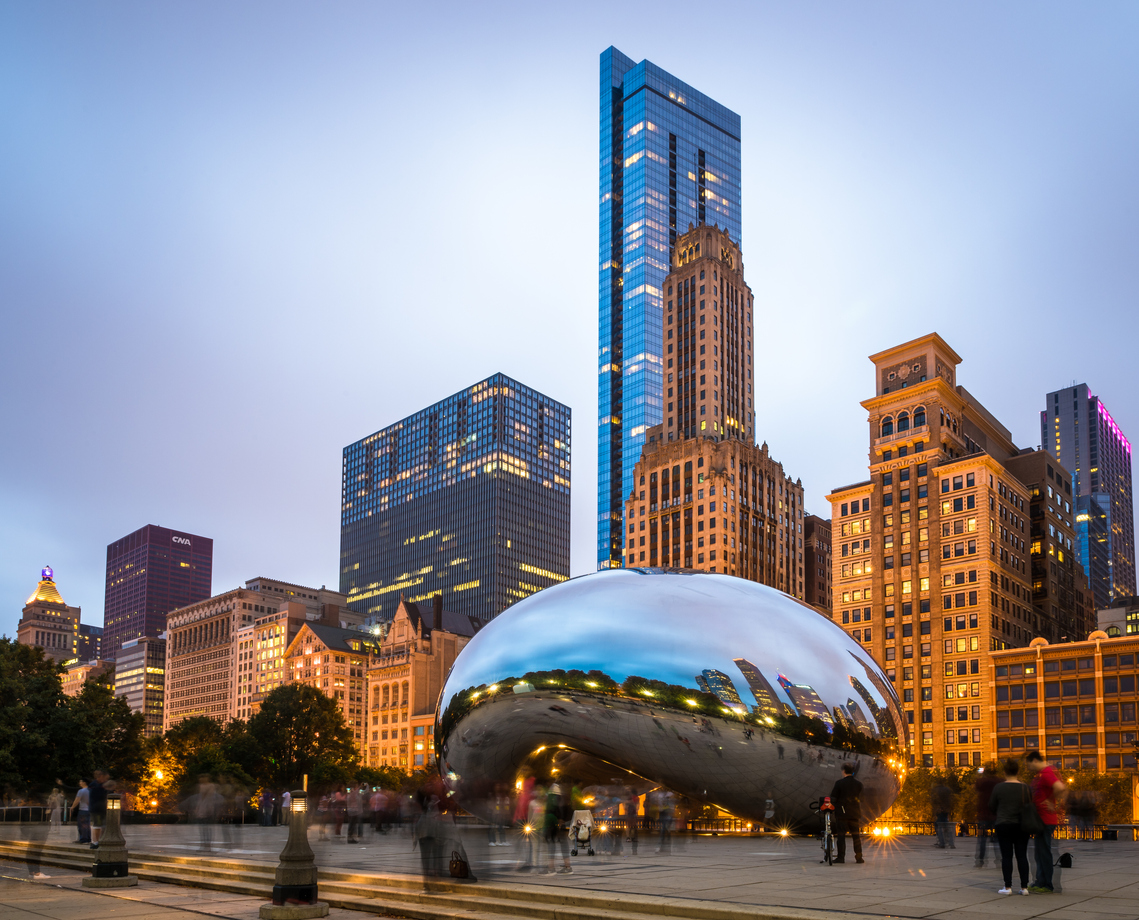
Chicago has a reputation for brutal winters. Lake-effect snow, strong winds, and sudden cold snaps can turn streets and sidewalks into hazardous zones in a matter of hours. Because of this, Chicago’s winter weather prep has to be more aggressive than that of many other cities. How the city plans for snow and ice can impact factors such as car crash risks, slip and fall incidents, and overall safety for people navigating the city during winter.
How Chicago Prepares for Winter
Chicago plans months ahead to keep roads open, transit moving, and sidewalks safer when snow and ice arrive.
Winter preparation measures include:
Priority Routes & Plow Operations
The city deploys a large fleet of snow plows and salt spreaders, clearing in a set order: expressways and major arterials first, plus routes to hospitals and emergency services. Neighborhood streets follow once the main network is passable.
Ice Prevention & Treatment
Lake-effect snow and deep freezes make ice a constant threat. Using road sensors and forecast data, crews apply salt, brine, or sand before and during storms to improve traction. Bridges, overpasses, and shaded stretches get extra attention because they freeze faster.
Sidewalks, Bridges & Pedestrian Safety
Crews treat sidewalks and bridge walkways to reduce slip hazards. The city also reminds property owners to clear adjacent sidewalks quickly after snowfall.
CTA Winter Readiness
The Chicago Transit Authority inspects heating and air systems on railcars, treats platforms for ice, and adjusts bus routes or pacing during heavy snow.
Alerts & Public Communication
Residents receive storm updates, extreme cold warnings, and school-closure notices through local news, text/email systems, and social media.
How Chicago Compares to Other Major Cities
Winter looks very different across the country. Some cities see more snow; others see more ice or slush. Chicago sits in a group of cities that must treat winter as a serious safety issue every year.
New York City
New York City experiences harsh winters, but its coastal climate often brings a mix of precipitation. Storms can transition from rain to snow, then back to rain, creating heavy slush. Chicago, by contrast, usually stays below freezing for longer periods. Snow and ice tend to linger, so Chicago needs more consistent salting and plowing, rather than short bursts during a few storms.
Minneapolis
Minneapolis is one of the few cities that rivals Chicago’s cold. Both cities invest heavily in snow removal fleets and de-icing materials. One key difference is the effect of Lake Michigan. Chicago can see sudden lake effect bands that drop heavy snow over certain neighborhoods with little warning, which puts pressure on crews to shift resources quickly.
Denver
Denver gets snow, but the region often warms quickly, and the sun is strong. Snow can melt within a day or two, even after a big storm. Chicago does not have that luxury. Long stretches of subfreezing temperatures mean snow piles up across the season. Chicago also deals with more ice on flat urban streets, while Denver’s winter risk is more focused on mountain and highway travel.
Milder Cities
Cities in the South or Mid-Atlantic, such as Atlanta or Washington, D.C., rarely face regular deep freeze conditions. They often have fewer plows, less road salt, and less experience handling large winter storms. When a big system hits, those cities can shut down for days. Chicago is built to keep roads and transit working in weather that would paralyze many warmer regions.
How Winter Conditions Lead To Accidents
Even with strong preparation, winter in Chicago creates real safety concerns.
Common problems include:
- Cars sliding through intersections on black ice
- Rear-end crashes when drivers cannot stop in time
- Falling snow or ice from roofs and elevated trains
- Reduced visibility in blowing snow or whiteout conditions
- Pedestrians slipping on untreated sidewalks or in parking lots
Property owners and drivers both play roles in winter safety. Owners must keep walkways reasonably safe, and drivers must slow down, leave extra space, and adjust to conditions.
Contact the Chicago Personal Injury Lawyers at Zayed Law Offices Personal Injury Attorneys for Help Today
Chicago gets ready for months of snow, ice, and bitter cold. It uses big plow fleets, large salt supplies, and strong transit plans—and has lots of storm experience. Still, winter is risky. When unsafe choices make conditions worse, Illinois law allows injured people to seek compensation.
If you’ve been injured by someone’s negligence, contact us today for a free consultation with a Chicago personal injury attorney at Zayed Law Offices Personal Injury Attorneys.
We proudly serve Cook County, Will County, Kendall County, and their surrounding areas:
Zayed Law Offices Personal Injury Attorneys – Chicago Office
10 S La Salle St STE 1230, Chicago, IL 60603
Phone:(312) 726-1616
Hours: Open 24/7
Our firm is located near you. We have an office in Chicago
Find us with our GeoCoordinates: 41.8815493,-87.6327515
Zayed Law Offices Personal Injury Attorneys – Joliet Office
195 Springfield Ave, Joliet, IL 60435
Phone: (815) 726-1616
Our firm is located near you. We have an office in Joliet
Find us with our GeoCoordinates: 41.5254295,-88.1381011
Zayed Law Offices Personal Injury Attorneys – Rockford Office
318 N 1st St, Rockford, IL 61107
Phone:(815) 662-0330
Hours: Open 24/7